

330-452-9911 (Aultman Main)
Patients & Visitors

- Patient Support
- My Experience
- Join Our Grateful Community
- Nondiscrimination & Language Services
- Patient Nutrition
- Patient Portal
- Patient Privacy
- Patient Medical Records
- Patient Rights and Responsibilities
- Patient Welcome Folder
- Tests & Procedures
- Contact Us
- Visitors
- Contact a Patient
- Aultman Anywhere App
- The Shoppes at Aultman
- Visitor Policies
- Parking and Maps
- Dining Options
- Things to Do
- Insurance and Billing
- Pay My Bill
- Accepted Insurance
- Financial Assistance
- Pricing
- FAQs
- Notice to Our Patients
- Notice to Our Patients of Privacy Incident
Services
- Medical Services
- Back & Spine Center
- Birth Center
- Cancer Center
- Critical Care
- Emergency
- Heart & Vascular
- Mental Health Services
- Neurosurgery
- Orthopedics and Sports Medicine
- Stroke
- Surgical Services
- Urology
- Support Services
- AultmanNow
- Aultman Specialty Pharmacy Services
- AultWorks
- Case Management
- Clinical Trials
- Diabetes Education
- Grief
- Home Medical Supply
- Home and Aultman Infusion Services at Woodlawn
- Home Health Care
- Hospice/Palliative Care
- Imaging
- Inpatient Rehab
- Integrated Health Collaborative
- Lab
- MEDS Clinic
- Pain Management
- Security
- Sleep Services
- Spiritual Care
- Therapy
- Urgent Care
- Victims of Violence - Forensic Nurse
- Wound Care
Health & Wellness
- Health Library
- Library
- Health Centers
- Nutrition
- Healthy Living
- Health Risk Assessments
- Printable Medication Record
- Symptom Checker
- Community Education
- Event Calendar
- AultCaring Conversations
- Community Education
About
- Aultman
- About Aultman
- Careers
- Diversity, Equity, Inclusion and Belonging at Aultman
- Newsroom
- Our Policies
- Annual Report
- Community Health Needs Assessment
- Sharon Lane – An American Heroine
- Aultman Corporate Sponsorships & Volunteer Requests
Locations
- Locations
- AultCare
- Aultman Alliance
- Aultman Carrollton
- Aultman College
- Aultman Dover
- Aultman Hartville
- Aultman Hospital
- Aultman Louisville
- Aultman Massillon
- Aultman Medical Group
- Aultman North
- Aultman Orrville
- Aultman Orrville Doylestown Health Center
- Aultman Tusc
- Aultman Tuscarawas Regional Health
- The Aultman Foundation
- Aultman Woodlawn
Schedule an Appointment
*Please fill in all the required fields.
- Home >
- Blog >
- Caring For You >
-
Understanding the UV Index: Stay Safe in the Sun
Menu
Recent Posts
- Understanding the UV Index: Stay Safe in the Sun
- Recipe: Healthy Red, White and Blue Popsicles
- Smart Safety Tips for Hot Weather
- Understanding the Benefits and Risks of GLP-1s
- Will That Food Truck Make You Sick?
Archive Posts

Location Finder
Here's your guide to finding any of the facilities in the Aultman family of health services, including maps and contacts.

Need a Doctor?
Aultman's network of providers is committed to high-quality patient care.

Schedule an Appointment
Click below to complete an online form.

Donate Today
You can help support and enhance services, and in turn, help patients and their families who benefit from care received at Aultman.
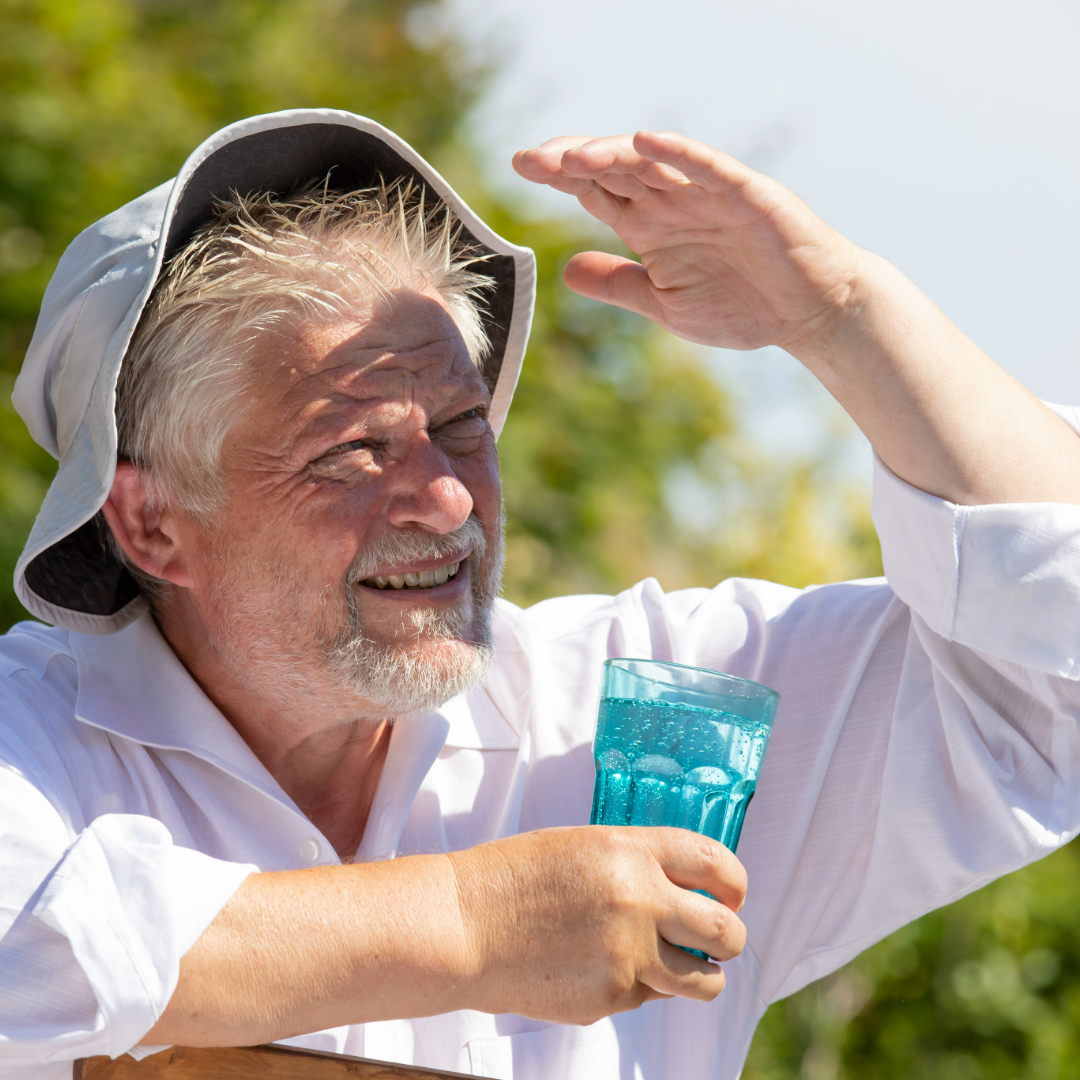
Understanding the UV Index: Stay Safe in the Sun
If you’ve ever felt like the sun is especially intense on a particular day, you’re not imagining it. The daily amount of the sun’s ultraviolet (UV) radiation that reaches the ground can vary, causing one day to feel pleasant and the next to feel like your skin is burning the minute you step outside.
The National Weather Service calculates the UV index (sometimes referred to as UVI) daily for each ZIP code, and the Environmental Protection Agency shares the data to help people plan outdoor activities.
Factors that go into calculating the UV index include ozone concentration in the stratosphere (the second layer of the earth’s atmosphere up from ground level), cloud amounts and the elevation at each ZIP code.
The resulting index rates your risk of overexposure to UV radiation on a scale of 1 to 11. Each level also includes recommendations to help you stay sun safe:
- Level 1 – 2 (green): Minimal risk from unprotected sun exposure for the average person. The Aim at Melanoma organization says that most people can stay outside for an hour between 10 a.m. and 4 p.m. without burning. But if you burn easily, cover up and use sunscreen with a sun protection factor (SPF) of at least 30 and wear sunglasses with UV protection.
- Level 3 – 5 (yellow): A low risk of harm from unprotected sun exposure; those with fair skin may burn within 20 minutes. Wear protective clothing, sunglasses and a hat when outdoors. Stay in the shade around midday. Use sunscreen with at least SPF 30 and reapply every two hours, even on cloudy days. Wear sunglasses with UV protection.
- Level 6 – 7 (orange): A moderate risk of harm from unprotected sun exposure. Wear protective clothing, sunglasses and a hat when outdoors. Use sunscreen with at least SPF 30 and reapply every two hours, even on cloudy days. Reduce your time in the sun between 10 a.m. and 4 p.m. Wear sunglasses with UV protection.
- Level 8 – 10 (red): A high risk of harm from unprotected sun exposure. Wear protective clothing, sunglasses and a hat when outdoors. Use sunscreen with at least SPF 30 and reapply every two hours, even on cloudy days. Seek shade outdoors. Try to avoid the sun between 10 a.m. and 4 p.m. Wear sunglasses with UV protection.
- Level 11+ (purple): A very high risk of harm from unprotected sun exposure. Wear protective clothing, a hat and sunglasses with UV protection when outdoors. Apply sunscreen with at least SPF 30 every two hours, even on cloudy days. Seek shade outdoors. Try to avoid the sun between 10 a.m. and 4 p.m.
Be Sun Smart
Here are additional considerations to help you stay sun safe:
- Just because you’re in the shade doesn’t mean you are completely protected – snow, water, sand, pavement and glass can reflect UV rays onto you. Wear sunscreen and cover up accordingly, even in the shade.
- When choosing protective clothing for sun exposure, look for long-sleeved shirts and trousers made from tightly woven fabrics. Loosely knit materials can let the sun’s rays through. Look for clothing rated with an ultraviolet protection factor (UPF) of 50 for the best protection from UV rays.
- Use the “shadow rule” to help avoid times of day when UV exposure can be the highest: If your shadow is taller than you are (early morning and late afternoon/evening), your UV exposure is lower.
- Wearing a wide-brimmed hat can prevent about half of UV rays from reaching your eyes. It will also keep the sun off your scalp, which is just as susceptible to skin cancer as the rest of your body.
- Don’t forget to apply sunscreen to often-overlooked areas such as your neck, the tips of your ears and the top of your feet in low-vamp shoes. Use SPF balm on your lips.
- Reapply sunscreen every two hours or after exposure to water (such as swimming). No matter how high the SPF is or what the label claims, no sunscreen lasts all day.
Sources:
Aim at Melanoma
Environmental Protection Agency
Melanoma Research Alliance
Location Finder
Here's your guide to finding any of the facilities in the Aultman family of health services, including maps and contacts.
Need a Doctor?
Aultman's network of providers is committed to high-quality patient care.
Schedule an Appointment
Click below to complete an online form.
Donate Today
You can help support and enhance services, and in turn, help patients and their families who benefit from care received at Aultman.