

330-452-9911 (Aultman Main)
Patients & Visitors

- Patient Support
- My Experience
- Join Our Grateful Community
- Nondiscrimination & Language Services
- Patient Nutrition
- Patient Portal
- Patient Privacy
- Patient Medical Records
- Patient Rights and Responsibilities
- Patient Welcome Folder
- Tests & Procedures
- Contact Us
- Visitors
- Contact a Patient
- Aultman Anywhere App
- The Shoppes at Aultman
- Visitor Policies
- Parking and Maps
- Dining Options
- Things to Do
- Insurance and Billing
- Pay My Bill
- Accepted Insurance
- Financial Assistance
- Pricing
- FAQs
Services
- Medical Services
- Back & Spine Center
- Birth Center
- Cancer Center
- Critical Care
- Emergency
- Heart & Vascular
- Mental Health Services
- Neurosurgery
- Orthopedics and Sports Medicine
- Stroke
- Surgical Services
- Urology
- Support Services
- AultmanNow
- Aultman Specialty Pharmacy Services
- AultWorks
- Case Management
- Clinical Trials
- Diabetes Education
- Grief
- Home Medical Supply
- Home and Aultman Infusion Services at Woodlawn
- Home Health Care
- Hospice/Palliative Care
- Imaging
- Inpatient Rehab
- Integrated Health Collaborative
- Lab
- MEDS Clinic
- Pain Management
- Security
- Sleep Services
- Spiritual Care
- Therapy
- Urgent Care
- Victims of Violence - Forensic Nurse
- Wound Care
Health & Wellness
- Health Library
- Library
- Health Centers
- Nutrition
- Healthy Living
- Health Risk Assessments
- Printable Medication Record
- Symptom Checker
- Community Education
- Event Calendar
- AultCaring Conversations
- Community Education
About
- Aultman
- About Aultman
- Careers
- Diversity, Equity, Inclusion and Belonging at Aultman
- Newsroom
- Our Policies
- Annual Report
- Community Health Needs Assessment
- Sharon Lane – An American Heroine
- Aultman Corporate Sponsorships & Volunteer Requests
Locations
- Locations
- AultCare
- Aultman Alliance
- Aultman Carrollton
- Aultman College
- Aultman Dover
- Aultman Hartville
- Aultman Hospital
- Aultman Louisville
- Aultman Massillon
- Aultman Medical Group
- Aultman North
- Aultman Orrville
- Aultman Orrville Doylestown Health Center
- Aultman Tusc
- Aultman Tuscarawas Regional Health
- The Aultman Foundation
- Aultman Woodlawn
Schedule an Appointment
*Please fill in all the required fields.
- Home >
- Blog >
- Caring For You >
-
Menopause Doesn’t Have to Be Miserable
Menu
Recent Posts
- Grateful Patient Story: Patty Carmola
- Grateful Patient Update: Kylie Zehnder
- Grateful Patient Story: Holly Stenger
- Tai Chi: Gentle Movements, Powerful Impact
- Grateful Patient Story: Bob Monter
Archive Posts

Location Finder
Here's your guide to finding any of the facilities in the Aultman family of health services, including maps and contacts.

Need a Doctor?
Aultman's network of providers is committed to high-quality patient care.

Schedule an Appointment
Click below to complete an online form.

Donate Today
You can help support and enhance services, and in turn, help patients and their families who benefit from care received at Aultman.
Menopause Doesn’t Have to Be Miserable
Whether it starts in your late 30s or your late 50s, all women face menopause, marking the end of your periods and your body’s reproductive years.
Menopause and its precursor, perimenopause, are often accompanied by unpleasant symptoms such as hot flashes, disrupted sleep, bladder control issues and mood changes.
For some women, the effects of menopause are mild. But for others, the symptoms interfere with daily life – even though menopause is a normal part of aging.
This Women’s Health Month, remember that this time of life does not have to be miserable. Help is available. Here’s a rundown from the U.S. Department of Health and Human Services Office of Women’s Health on ways to feel better.
Hot Flashes
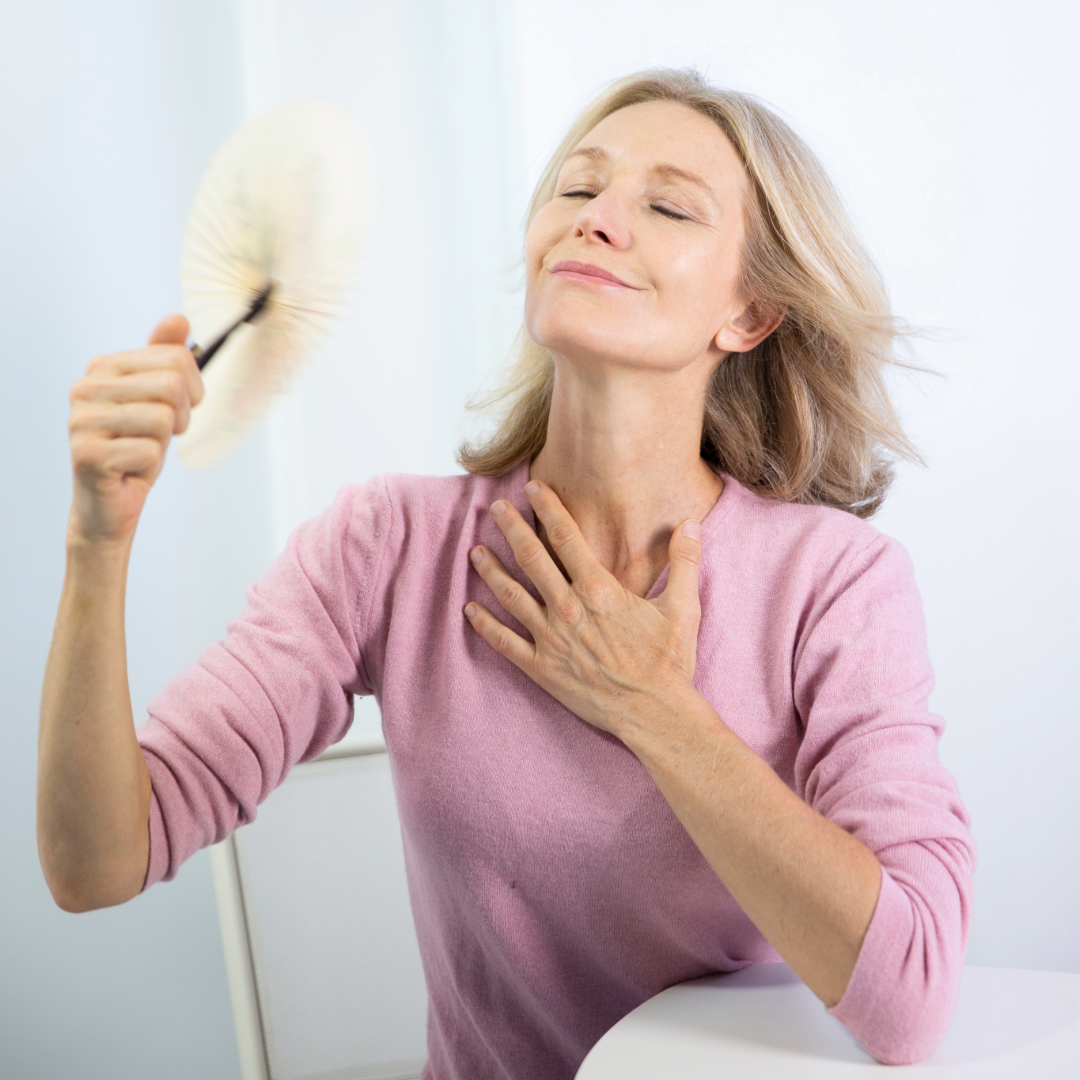
Hot flashes are a sudden feeling of heat in the upper part of your body, which can be uncomfortable and embarrassing. Women can experience hot flashes in the lead-up to menopause and for years afterward.
When you start to experience hot flashes, it’s a good idea to dress in layers and keep a fan handy so that you can react quickly to cool down when a hot flash strikes. Drinking ice water helps, too.
Your hot flashes might be triggered by something specific, such as a spicy burrito, a hot cup of coffee or even a cold office. Track your hot flashes so that you can figure out what’s causing them and avoid those triggers.
If you’re plagued by hot flashes even after taking steps to manage them, menopausal hormone therapy or medications may reduce your symptoms. These treatments may not be suitable for everyone, so talk with your healthcare provider about what’s best for you.
Sleep Issues
Believe it or not, hormones affect sleep. When your progesterone levels drop during menopause, you can have trouble falling asleep or staying asleep. And if you’re experiencing hot flashes due to low estrogen, sticky night sweats can wake you up.
Good sleep hygiene habits can help you get a better night’s sleep. Avoid screen time, large meals, smoking and drinking alcohol before bed. Go to bed and get up at consistent times. And keep your bedroom dark and cool for an ideal sleeping environment.
Getting plenty of activity helps you sleep, too – as long as you avoid exercising in the couple of hours before bedtime.
See your provider if you’re experiencing insomnia or if interrupted sleep makes your days difficult.
Bladder Control
Whether you have to urinate more often, find yourself peeing when you sneeze or cough or have to get up at night more often to go to the bathroom, bladder problems often accompany menopause.
Avoiding caffeine and losing weight if you are overweight can help. Kegel exercises are an excellent way to strengthen your pelvic floor and improve bladder control.
But for bladder issues, it’s best to see a healthcare provider. Your provider may recommend medication, devices, physical therapy or surgery, depending on what’s causing the problem.
Mood Changes
It’s probably not your imagination if you feel as if you’re losing your temper or becoming impatient more often as you’re entering menopause. You may even have crying spells.
To lift your mood, get enough sleep and a good amount of activity during the day. Find ways to connect with others for support.
See your healthcare provider if you’re concerned about mood changes, as hormone treatments may help. It’s especially important to reach out to your healthcare provider if you’re feeling depressed.
Other Symptoms
Vaginal dryness, changes in feelings about sex, memory problems and anxiety are other symptoms you may experience as your body goes through midlife changes. Visit the U.S. Department of Health and Human Services Office of Women’s Health for more information on managing these symptoms.
If you’re looking for a women’s health provider, the experts at Aultman Medical Group Women’s Health Services are accepting new patients. They can talk with you about your symptoms and recommend treatments that are right for you.
Sources:
Centers for Disease Control and Prevention
Harvard Health Publishing
U.S. Department of Health and Human Services Office of Women’s Health
Location Finder
Here's your guide to finding any of the facilities in the Aultman family of health services, including maps and contacts.
Need a Doctor?
Aultman's network of providers is committed to high-quality patient care.
Schedule an Appointment
Click below to complete an online form.
Donate Today
You can help support and enhance services, and in turn, help patients and their families who benefit from care received at Aultman.