

330-452-9911 (Aultman Main)
Patients & Visitors

- Patient Support
- My Experience
- Join Our Grateful Community
- Nondiscrimination & Language Services
- Patient Nutrition
- Patient Portal
- Patient Privacy
- Patient Medical Records
- Patient Rights and Responsibilities
- Patient Welcome Folder
- Tests & Procedures
- Contact Us
- Visitors
- Contact a Patient
- Aultman Anywhere App
- The Shoppes at Aultman
- Visitor Policies
- Parking and Maps
- Dining Options
- Things to Do
- Insurance and Billing
- Pay My Bill
- Accepted Insurance
- Financial Assistance
- Pricing
- FAQs
- Notice to Our Patients
- Notice to Our Patients of Privacy Incident
Services
- Medical Services
- Back & Spine Center
- Birth Center
- Cancer Center
- Critical Care
- Emergency
- Heart & Vascular
- Mental Health Services
- Neurosurgery
- Orthopedics and Sports Medicine
- Stroke
- Surgical Services
- Urology
- Support Services
- AultmanNow
- Aultman Specialty Pharmacy Services
- AultWorks
- Case Management
- Clinical Trials
- Diabetes Education
- Grief
- Home Medical Supply
- Home and Aultman Infusion Services at Woodlawn
- Home Health Care
- Hospice/Palliative Care
- Imaging
- Inpatient Rehab
- Integrated Health Collaborative
- Lab
- MEDS Clinic
- Pain Management
- Security
- Sleep Services
- Spiritual Care
- Therapy
- Urgent Care
- Victims of Violence - Forensic Nurse
- Wound Care
Health & Wellness
- Health Library
- Library
- Health Centers
- Nutrition
- Healthy Living
- Health Risk Assessments
- Printable Medication Record
- Symptom Checker
- Community Education
- Event Calendar
- AultCaring Conversations
- Community Education
About
- Aultman
- About Aultman
- Careers
- Diversity, Equity, Inclusion and Belonging at Aultman
- Newsroom
- Our Policies
- Annual Report
- Community Health Needs Assessment
- Sharon Lane – An American Heroine
- Aultman Corporate Sponsorships & Volunteer Requests
Locations
- Locations
- AultCare
- Aultman Alliance
- Aultman Carrollton
- Aultman College
- Aultman Dover
- Aultman Hartville
- Aultman Hospital
- Aultman Louisville
- Aultman Massillon
- Aultman Medical Group
- Aultman North
- Aultman Orrville
- Aultman Orrville Doylestown Health Center
- Aultman Tusc
- Aultman Tuscarawas Regional Health
- The Aultman Foundation
- Aultman Woodlawn
Schedule an Appointment
*Please fill in all the required fields.
- Home >
- Blog >
- Healthy Living >
-
What It Means to Eat Real Food
Menu
Recent Posts
- Flavoring Foods With Herbs and Spices
- Fresh Picks: In-Season Goodies at the Farmers Market
- The Unexpected Benefits of Celebrating World Caring Day
- Recipe: Loaded Egg Salad
- When to Be Concerned About Memory Issues
Archive Posts

Location Finder
Here's your guide to finding any of the facilities in the Aultman family of health services, including maps and contacts.

Need a Doctor?
Aultman's network of providers is committed to high-quality patient care.

Schedule an Appointment
Click below to complete an online form.

Donate Today
You can help support and enhance services, and in turn, help patients and their families who benefit from care received at Aultman.
What It Means to Eat Real Food
As much as we might wish otherwise, it’s clear that packaged cookies and cheese puffs are not the foundation of a healthy diet. High consumption of ultra-processed foods like these has been linked to cardiovascular disease, diabetes, obesity, sleep problems, some cancers, mental health disorders and even premature death.
Why? Ultra-processed foods have long lists of additives, artificial flavors and preservatives that may be harmful to the human body. But over the last few decades, more and more of the American diet has been made up of ultra-processed foods. Frozen pizza, hot dogs, packaged salad dressing and soda are just a few examples.
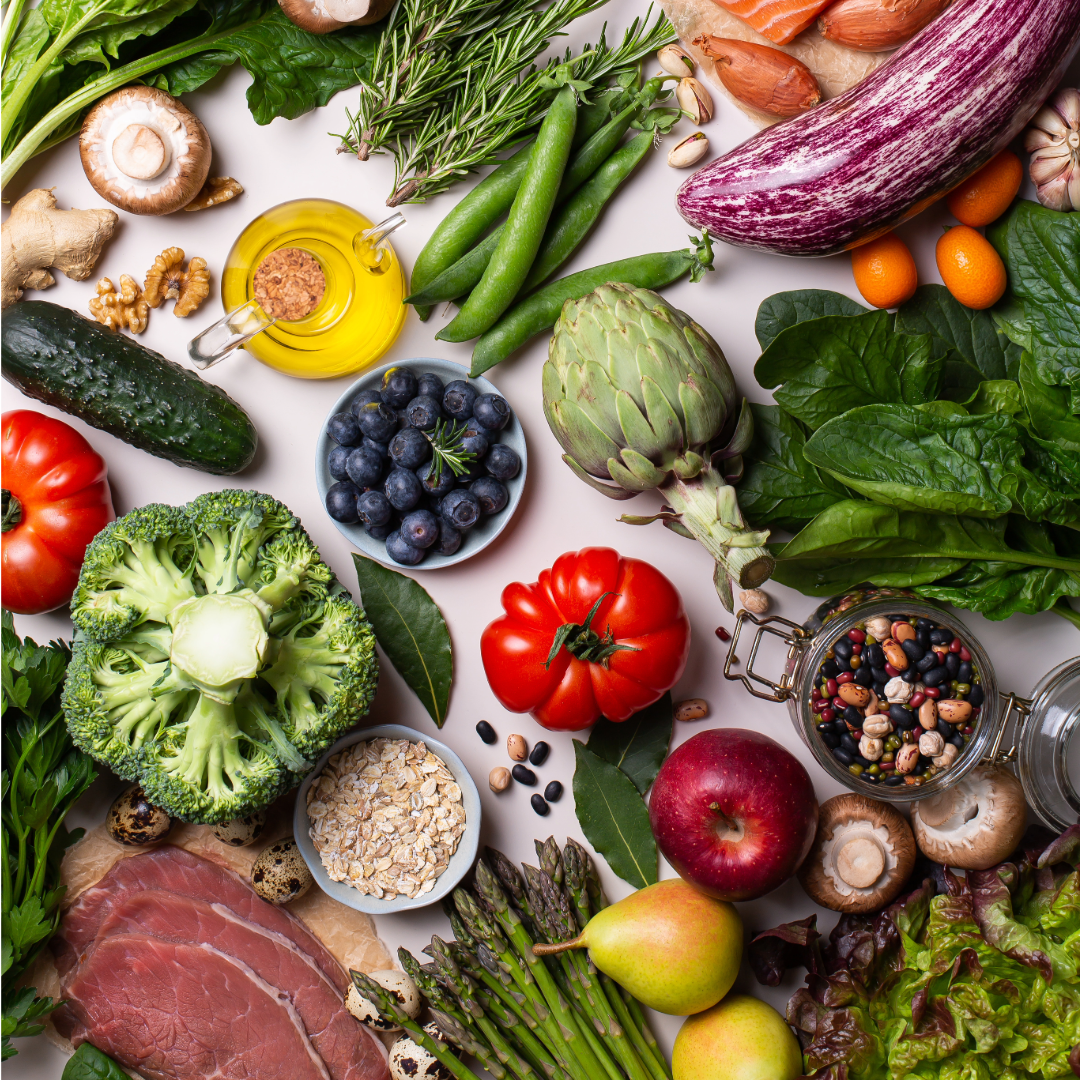
That’s why the recently released U.S. Dietary Guidelines for Americans urge a return to “real food” – whole foods that are as close to their natural state as possible. These foods are much better for our bodies.
The new dietary guidelines feature an inverted pyramid, with foods we should eat the most at the top of the pyramid and foods we should eat in small amounts at the bottom. Here’s an overview.
Protein, Dairy and Healthy Fats
The top of the pyramid features protein, dairy and healthy fats. “The new protein guidelines focus on the fact that protein is a valuable part of our diet that encompasses both plant-based proteins and animal-based proteins,” said AultCare Dietitian Joy Benjamin, RND, LD MCLC, CPT, during a recent appearance on the Health Matters radio program.
And even though red meat in the pyramid may be surprising, “red meat is high in iron and vitamin B12,” Benjamin said. “We can eat some red meat in our diet if it is a whole-food diet. It’s important to keep a balance.”
Benjamin emphasizes that protein in our diet should come from natural foods – not from protein-enhanced products that have recently flooded the market.
The new guidelines also recommend full-fat dairy. Low-fat or no-fat dairy products often have additives intended to provide the look and feel of the full-fat versions. As a result, full-fat dairy may ultimately be better for our health.
Rounding out this category in the food pyramid are healthy fats from sources such as olive oil, avocados, nuts, seeds and fatty fish such as salmon.
Vegetables and Fruits
Vegetables and fruits stand alongside protein, dairy and healthy fats at the top of the pyramid. The recommendation is three servings per day of vegetables and two of fruit.
“Fruits and vegetables give us the most vitamins, minerals and polyphenols – which are antioxidants,” Benjamin said. “We know that these foods are protective for health.”
Locally sourced, fresh fruits and vegetables are ideal, but frozen vegetables without added sauces, oils and seasoning are a healthier choice, as well.
Whole Grains
The new guidelines suggest only two to four servings a day of grains – and these should be fiber-rich whole grains rather than processed grains such as white bread.
“There’s an overconsumption of processed grains in our culture today, and that has been a key contributor to the disease processes we’re seeing, as well as to the evolution of chronic diseases we’re continuing to see,” Benjamin said. “Carb sources provide glucose for energy. But if we’re consuming glucose and not using it, that affects our metabolic health.”
Metabolic diseases are conditions that disrupt normal body chemical processes. One of the most common metabolic diseases is Type 2 diabetes.
Eating a limited amount of whole grains such as plain oatmeal, brown rice, black rice and quinoa can help reduce the risk.
Getting Started
Because most people are so accustomed to a diet of ultra-processed foods, it’s best to make changes gradually.
To start, Benjamin suggests adding healthy foods to our diets rather than taking anything away. As our bodies adjust to healthier foods, we will develop a preference for healthier choices, and it will be easier to remove unhealthy options.
Benjamin also recommends making it a goal to cook more at home. A good start is to swap one restaurant meal per week for a home-cooked meal. It’s a great way to save money and eat healthier.
Sources:
Harvard Health Publishing
realfood.gov
Location Finder
Here's your guide to finding any of the facilities in the Aultman family of health services, including maps and contacts.
Need a Doctor?
Aultman's network of providers is committed to high-quality patient care.
Schedule an Appointment
Click below to complete an online form.
Donate Today
You can help support and enhance services, and in turn, help patients and their families who benefit from care received at Aultman.