

330-452-9911 (Aultman Main)
Patients & Visitors

- Patient Support
- My Experience
- Join Our Grateful Community
- Nondiscrimination & Language Services
- Patient Nutrition
- Patient Portal
- Patient Privacy
- Patient Medical Records
- Patient Rights and Responsibilities
- Patient Welcome Folder
- Tests & Procedures
- Contact Us
- Visitors
- Contact a Patient
- Aultman Anywhere App
- The Shoppes at Aultman
- Visitor Policies
- Parking and Maps
- Dining Options
- Things to Do
- Insurance and Billing
- Pay My Bill
- Accepted Insurance
- Financial Assistance
- Pricing
- FAQs
Services
- Medical Services
- Back & Spine Center
- Birth Center
- Cancer Center
- Critical Care
- Emergency
- Heart & Vascular
- Mental Health Services
- Neurosurgery
- Orthopedics and Sports Medicine
- Stroke
- Surgical Services
- Urology
- Support Services
- AultmanNow
- Aultman Specialty Pharmacy Services
- AultWorks
- Case Management
- Clinical Trials
- Diabetes Education
- Grief
- Home Medical Supply
- Home and Aultman Infusion Services at Woodlawn
- Home Health Care
- Hospice/Palliative Care
- Imaging
- Inpatient Rehab
- Integrated Health Collaborative
- Lab
- MEDS Clinic
- Pain Management
- Security
- Sleep Services
- Spiritual Care
- Therapy
- Urgent Care
- Victims of Violence - Forensic Nurse
- Wound Care
Health & Wellness
- Health Library
- Library
- Health Centers
- Nutrition
- Healthy Living
- Health Risk Assessments
- Printable Medication Record
- Symptom Checker
- Community Education
- Event Calendar
- AultCaring Conversations
- Community Education
About
- Aultman
- About Aultman
- Careers
- Diversity, Equity, Inclusion and Belonging at Aultman
- Newsroom
- Our Policies
- Annual Report
- Community Health Needs Assessment
- Sharon Lane – An American Heroine
- Aultman Corporate Sponsorships & Volunteer Requests
Locations
- Locations
- AultCare
- Aultman Alliance
- Aultman Carrollton
- Aultman College
- Aultman Dover
- Aultman Hartville
- Aultman Hospital
- Aultman Louisville
- Aultman Massillon
- Aultman Medical Group
- Aultman North
- Aultman Orrville
- Aultman Orrville Doylestown Health Center
- Aultman Tusc
- Aultman Tuscarawas Regional Health
- The Aultman Foundation
- Aultman Woodlawn
Schedule an Appointment
*Please fill in all the required fields.
- Home >
- Blog >
- Caring For You >
-
Understanding Mammograms
Menu
Recent Posts
- Understanding Mammograms
- Common Bone and Joint Injuries
- Keeping Crying Babies Safe
- Volunteer Spotlight: Kathy McCann
- Recipe: The Perfect Sauteed Spinach
Archive Posts

Location Finder
Here's your guide to finding any of the facilities in the Aultman family of health services, including maps and contacts.

Need a Doctor?
Aultman's network of providers is committed to high-quality patient care.

Schedule an Appointment
Click below to complete an online form.

Donate Today
You can help support and enhance services, and in turn, help patients and their families who benefit from care received at Aultman.
Understanding Mammograms
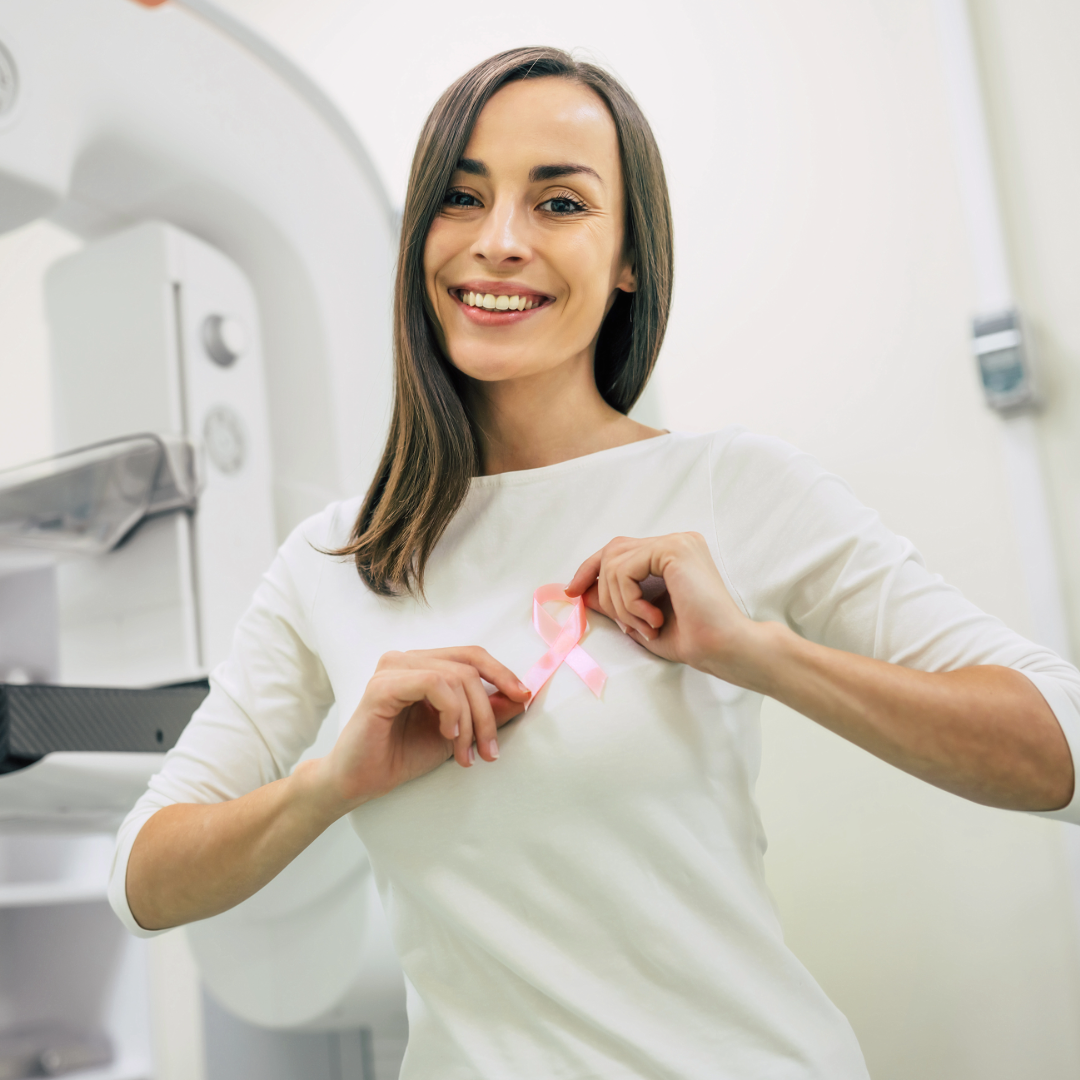
In honor of National Mammography Day – observed annually on the third Friday of October during Breast Cancer Awareness Month – Danica Ryder, R.T.(R)(M)(CT) of Aultman Breast Care Center, explains the differences between the types of breast imaging and why a radiologist may recommend one exam over another.
Screening Mammograms
Screening mammograms are performed on women who do not have breast symptoms or a recent abnormal finding. When and how often you should begin screening can depend on your age (typically 40), personal risk factors, family history and the recommendation of your healthcare provider.
A screening mammogram gives the radiologist a comprehensive starting point for evaluating the breast and allows them to look for changes over time. The radiologist compares your current mammogram with previous examinations whenever they are available. Looking at several years of images can help with the identification of subtle changes that may otherwise be difficult to recognize.
Current technology is a 3D mammogram, also called digital breast tomosynthesis. Instead of producing just a single image of the breast, tomosynthesis captures multiple images from different angles, creating thin image slices through the breast tissue. The radiologist can then review these images individually, which can be particularly helpful when evaluating dense breast tissue.
Your screening mammogram essentially provides a roadmap to guide the radiologist to the area that needs further evaluation. If the radiologist sees an area that needs a closer look, you may be called back for additional imaging. This could include additional mammographic views (diagnostic mammogram) or an ultrasound.
It is important to remember that being called back for additional imaging does not mean that you have breast cancer. Many callbacks ultimately show normal or benign findings.
Diagnostic Mammograms
A diagnostic mammogram is performed when there is a specific concern that needs further evaluation. You or your healthcare provider may have noticed a lump, nipple discharge, skin changes, pain or other symptoms of concern.
A diagnostic examination may also be recommended when something on a screening mammogram needs a closer look (callback). The technologist and radiologist can focus on the area of concern and determine whether additional imaging, such as ultrasound, is needed.
Breast Ultrasound
Breast ultrasound is an excellent supplemental imaging tool and is often used to evaluate a specific area of concern.
Ultrasound uses sound waves rather than radiation and can be particularly helpful for distinguishing between fluid-filled cysts and solid masses. However, ultrasound does not replace mammography as a screening tool because some early breast cancers – particularly certain types of calcifications – may be visible on mammography but not on ultrasound.
Your radiologist may recommend ultrasound in addition to mammography based on your symptoms or the findings on your mammogram.
Breast MRI
Breast MRI is another supplemental imaging tool that may be recommended for women who have a higher risk of developing breast cancer. This can include women with a strong family history, genetic mutations associated with breast cancer or other significant risk factors.
MRI can provide very detailed images of breast tissue, but it is not generally used as a replacement for mammography. Breast MRI is more involved, can be more expensive and typically requires an IV injection of contrast dye.
Fast breast MRI is also a great supplemental screening tool. This is an abbreviated, contrast-enhanced MRI designed to detect invasive malignancies and cancers that a mammogram might miss for women who have dense breast tissue. This should be utilized along with your annual mammogram.
Your healthcare provider or radiologist can determine whether MRI is appropriate based on your individual risk.
Learn More
If you are nervous about your first mammogram – or you've had a difficult experience in the past – please tell your technologist. They are trained to answer your questions, explain what they are doing and help make the experience as comfortable as possible. Early detection matters!
If your provider has ordered a screening or diagnostic mammogram, Aultman Imaging Services provides both mammograms at facilities across Aultman Health System. Call Centralized Scheduling at 330-363-6288 for an appointment.
Sources:
American Cancer Society
Breastcancer.org
International Atomic Energy Agency
National Breast Cancer Foundation
Location Finder
Here's your guide to finding any of the facilities in the Aultman family of health services, including maps and contacts.
Need a Doctor?
Aultman's network of providers is committed to high-quality patient care.
Schedule an Appointment
Click below to complete an online form.
Donate Today
You can help support and enhance services, and in turn, help patients and their families who benefit from care received at Aultman.