

330-452-9911 (Aultman Main)
Patients & Visitors

- Patient Support
- My Experience
- Join Our Grateful Community
- Nondiscrimination & Language Services
- Patient Nutrition
- Patient Portal
- Patient Privacy
- Patient Medical Records
- Patient Rights and Responsibilities
- Patient Welcome Folder
- Tests & Procedures
- Contact Us
- Visitors
- Contact a Patient
- Aultman Anywhere App
- The Shoppes at Aultman
- Visitor Policies
- Parking and Maps
- Dining Options
- Things to Do
- Insurance and Billing
- Pay My Bill
- Accepted Insurance
- Financial Assistance
- Pricing
- FAQs
Services
- Medical Services
- Back & Spine Center
- Birth Center
- Cancer Center
- Critical Care
- Emergency
- Heart & Vascular
- Mental Health Services
- Neurosurgery
- Orthopedics and Sports Medicine
- Stroke
- Surgical Services
- Urology
- Support Services
- AultmanNow
- Aultman Specialty Pharmacy Services
- AultWorks
- Case Management
- Clinical Trials
- Diabetes Education
- Grief
- Home Medical Supply
- Home and Aultman Infusion Services at Woodlawn
- Home Health Care
- Hospice/Palliative Care
- Imaging
- Inpatient Rehab
- Integrated Health Collaborative
- Lab
- MEDS Clinic
- Pain Management
- Security
- Sleep Services
- Spiritual Care
- Therapy
- Urgent Care
- Victims of Violence - Forensic Nurse
- Wound Care
Health & Wellness
- Health Library
- Library
- Health Centers
- Nutrition
- Healthy Living
- Health Risk Assessments
- Printable Medication Record
- Symptom Checker
- Community Education
- Event Calendar
- AultCaring Conversations
- Community Education
About
- Aultman
- About Aultman
- Careers
- Diversity, Equity, Inclusion and Belonging at Aultman
- Newsroom
- Our Policies
- Annual Report
- Community Health Needs Assessment
- Sharon Lane – An American Heroine
- Aultman Corporate Sponsorships & Volunteer Requests
Locations
- Locations
- AultCare
- Aultman Alliance
- Aultman Carrollton
- Aultman College
- Aultman Dover
- Aultman Hartville
- Aultman Hospital
- Aultman Louisville
- Aultman Massillon
- Aultman Medical Group
- Aultman North
- Aultman Orrville
- Aultman Orrville Doylestown Health Center
- Aultman Tusc
- Aultman Tuscarawas Regional Health
- The Aultman Foundation
- Aultman Woodlawn
Schedule an Appointment
*Please fill in all the required fields.
- Home >
- Blog >
- Caring For You >
-
Seeking Help for Domestic Violence
Menu
Recent Posts
- Seeking Help for Domestic Violence
- Buying Halloween Treats? Consider Allergies
- How to Make Good Choices During the Medicare Annual Enrollment Period
- The Role of Spiritual Care in Healthcare
- Understanding Mammograms
Archive Posts

Location Finder
Here's your guide to finding any of the facilities in the Aultman family of health services, including maps and contacts.

Need a Doctor?
Aultman's network of providers is committed to high-quality patient care.

Schedule an Appointment
Click below to complete an online form.

Donate Today
You can help support and enhance services, and in turn, help patients and their families who benefit from care received at Aultman.
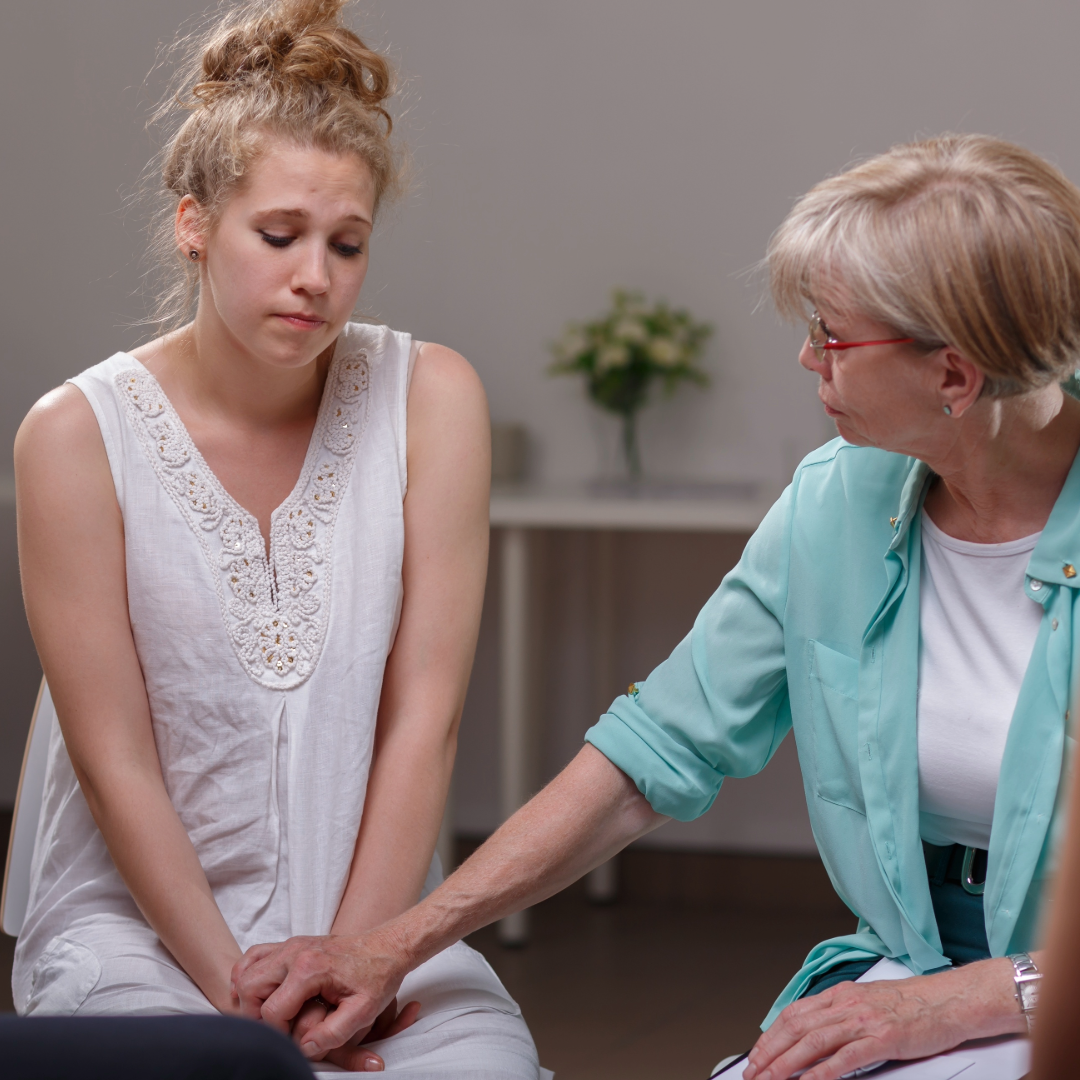
Seeking Help for Domestic Violence
In October, we recognize Domestic Violence Awareness Month. Friends and families of survivors often wonder why they were not told sooner about abuse. Sarah Shaffer, MBA, BSN, RN, HACP, SANE-A of the Aultman Serenity Program, helps shed light on why survivors might stay silent for so long.
Why Might Someone Not Disclose Abuse?
Survivors may not disclose domestic violence for many reasons, including:
- Fear of retaliation: Fear of escalation, retaliation, or losing custody of children, pets or family members.
- Practical and financial barriers: Financial dependence, housing insecurity or concern that communications, phones and locations are being digitally monitored.
- Internalized stigma: Shame, embarrassment, self-blame, the belief that the violence "is not bad enough" or that others will not believe them.
- Systemic hesitancy: Previous negative experiences with law enforcement, healthcare systems or legal institutions.
A survivor may also minimize what happened as a coping mechanism in an unsafe situation. Asking about domestic violence in a private, supportive and nonjudgmental manner may be the first step to helping them toward safety.
Technology and Safety
Technology can be a tool for connection, but it is frequently misused to monitor, threaten or control a survivor.
Ohio’s Senate Bill 100, which became effective March 20, 2025, generally prohibits knowingly installing a tracking device or tracking application on another person’s property without consent, with certain exceptions. Technology-facilitated abuse may include:
- Tracking location or monitoring phones, messages and social media accounts.
- Using shared accounts or smart-home devices/connected vehicles to monitor activity.
- Installing tracking applications without consent or making repeated unwanted contact.
What Can Be Done?
Domestic violence programs continue to face significant challenges in providing survivors with safe housing, advocacy, counseling, legal assistance, transportation, emergency resources and other supportive services.
If you or someone you know is experiencing domestic violence:
- Trust your concerns and take threats seriously.
- Talk with a trusted healthcare professional, advocate or support person.
- Develop a personalized safety plan.
- Consider keeping important documents, medications, money, keys and emergency contacts somewhere safe.
- If it is safe to do so, document incidents, threats, injuries or unwanted contact.
- Consider having injuries documented by a healthcare professional.
- Ask about available advocacy, shelter, legal and counseling resources.
- If you are in immediate danger, call 911.
A survivor does not have to decide today whether to leave a relationship, report the violence or pursue legal action in order to receive support. Domestic violence is never the survivor’s fault. Survivors deserve to be safe, believed and supported.
If You Need Help
Programs like Aultman Serenity provide round-the-clock specialized care to patients experiencing violence. This includes domestic violence, sexual assault, strangulation, human trafficking and other forms of interpersonal violence.
Specialized forensic nurses provide care and work collaboratively with healthcare providers, law enforcement, EMS, advocates and community partners. Aultman’s Serenity team also participates in continuing education and community outreach to increase awareness and improve the response to violence.
Resources
For immediate danger, call 911.
Ohio Domestic Violence Network (ODVN)
1-800-934-9840
ODVN can connect survivors with local domestic violence programs, including advocacy, shelter, counseling, legal assistance and other resources.
National Domestic Violence Hotline
1-800-799-SAFE (7233)
Domestic Violence Project, Inc.
330-453-7233
Location Finder
Here's your guide to finding any of the facilities in the Aultman family of health services, including maps and contacts.
Need a Doctor?
Aultman's network of providers is committed to high-quality patient care.
Schedule an Appointment
Click below to complete an online form.
Donate Today
You can help support and enhance services, and in turn, help patients and their families who benefit from care received at Aultman.