

330-452-9911 (Aultman Main)
Patients & Visitors

- Patient Support
- My Experience
- Join Our Grateful Community
- Nondiscrimination & Language Services
- Patient Nutrition
- Patient Portal
- Patient Privacy
- Patient Medical Records
- Patient Rights and Responsibilities
- Patient Welcome Folder
- Tests & Procedures
- Contact Us
- Visitors
- Contact a Patient
- Aultman Anywhere App
- The Shoppes at Aultman
- Visitor Policies
- Parking and Maps
- Dining Options
- Things to Do
- Insurance and Billing
- Pay My Bill
- Accepted Insurance
- Financial Assistance
- Pricing
- FAQs
Services
- Medical Services
- Back & Spine Center
- Birth Center
- Cancer Center
- Critical Care
- Emergency
- Heart & Vascular
- Mental Health Services
- Neurosurgery
- Orthopedics and Sports Medicine
- Stroke
- Surgical Services
- Urology
- Support Services
- AultmanNow
- Aultman Specialty Pharmacy Services
- AultWorks
- Case Management
- Clinical Trials
- Diabetes Education
- Grief
- Home Medical Supply
- Home and Aultman Infusion Services at Woodlawn
- Home Health Care
- Hospice/Palliative Care
- Imaging
- Inpatient Rehab
- Integrated Health Collaborative
- Lab
- MEDS Clinic
- Pain Management
- Security
- Sleep Services
- Spiritual Care
- Therapy
- Urgent Care
- Victims of Violence - Forensic Nurse
- Wound Care
Health & Wellness
- Health Library
- Library
- Health Centers
- Nutrition
- Healthy Living
- Health Risk Assessments
- Printable Medication Record
- Symptom Checker
- Community Education
- Event Calendar
- AultCaring Conversations
- Community Education
About
- Aultman
- About Aultman
- Careers
- Diversity, Equity, Inclusion and Belonging at Aultman
- Newsroom
- Our Policies
- Annual Report
- Community Health Needs Assessment
- Sharon Lane – An American Heroine
- Aultman Corporate Sponsorships & Volunteer Requests
Locations
- Locations
- AultCare
- Aultman Alliance
- Aultman Carrollton
- Aultman College
- Aultman Dover
- Aultman Hartville
- Aultman Hospital
- Aultman Louisville
- Aultman Massillon
- Aultman Medical Group
- Aultman North
- Aultman Orrville
- Aultman Orrville Doylestown Health Center
- Aultman Tusc
- Aultman Tuscarawas Regional Health
- The Aultman Foundation
- Aultman Woodlawn
Schedule an Appointment
*Please fill in all the required fields.
- Home >
- Blog >
- Caring For You >
-
Palliative Care: An Extra Layer of Support
Menu
Recent Posts
- Palliative Care: An Extra Layer of Support
- Recipe: Pumpkin Spice Latte Overnight Oats
- Maintaining Healthy Habits During the Holidays
- How Diabetes Can Affect the Entire Body
- Five Important Facts About Hospice
Archive Posts

Location Finder
Here's your guide to finding any of the facilities in the Aultman family of health services, including maps and contacts.

Need a Doctor?
Aultman's network of providers is committed to high-quality patient care.

Schedule an Appointment
Click below to complete an online form.

Donate Today
You can help support and enhance services, and in turn, help patients and their families who benefit from care received at Aultman.
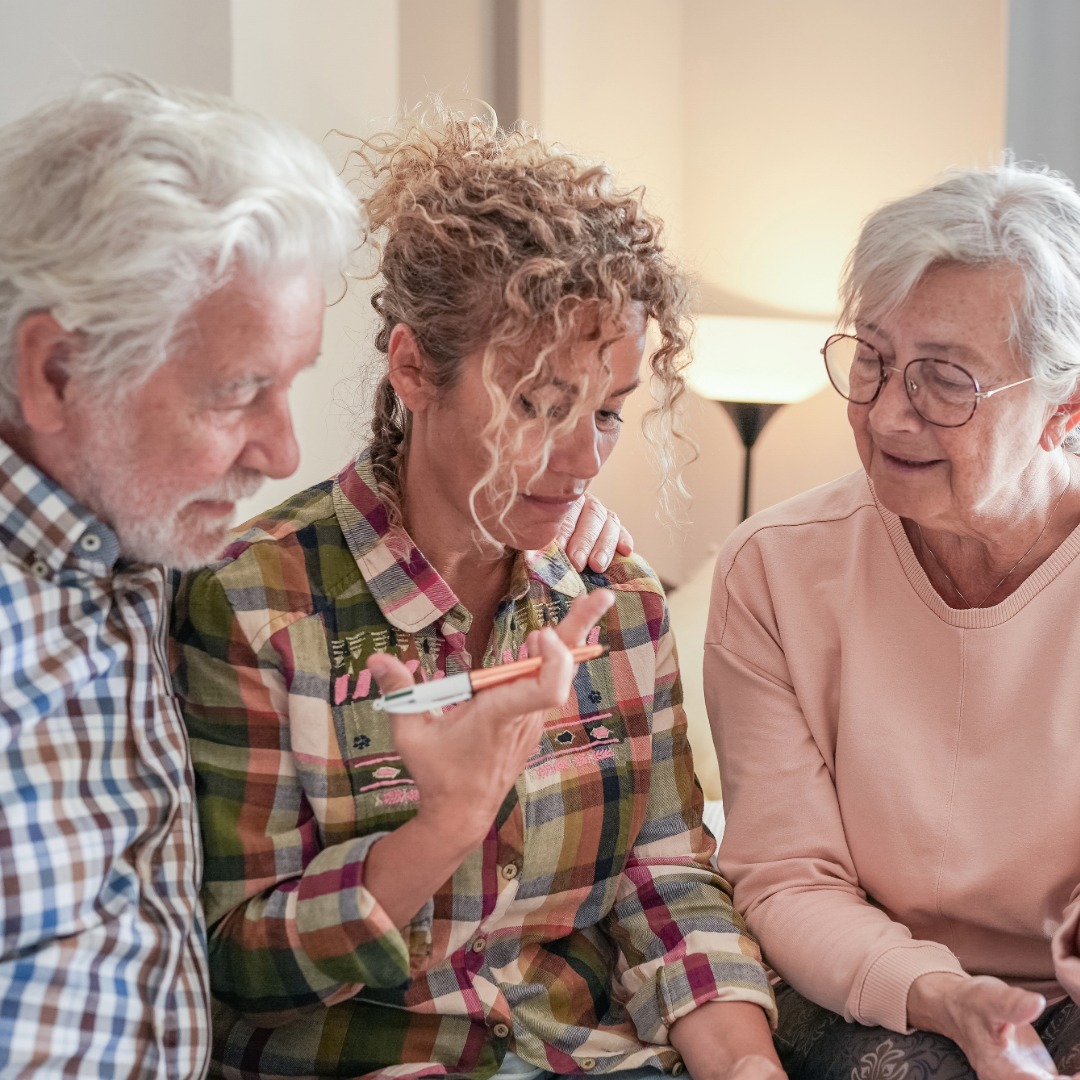
Palliative Care: An Extra Layer of Support
If your healthcare provider brings up palliative care as a good option for you, you may have lots of questions: Why is palliative care being suggested? How does it help? How is it different from care I’m already receiving?
Palliative care makes a major difference in the quality of life for people with serious illnesses. It provides an extra layer of support with a focus on living well. Palliative care is often provided alongside cure-focused treatments. A person who has cancer, for example, may receive both chemotherapy treatments and palliative care.
It’s a common misconception that palliative care is only for the end of life. In reality, it’s a beneficial option for people of any age at any stage of a serious illness. Palliative care can be provided for patients living at home, as well as for those at hospitals, care facilities or other settings.
Palliative care is used to treat the whole person for illness as well as emotional and other concerns. According to Harvard Health Publishing, palliative care not only improves quality of life for patients and reduces stress for families and caregivers, but it can also help patients live longer.
A Focused Team
With palliative care, a healthcare team comes together to focus on the best possible quality of life for patients and their families. The team includes doctors, advanced practice providers, nurses, social workers, chaplains and other specialists. This teamwork allows a number of treatment methods to be used to relieve symptoms.
One of the most common palliative care treatments is pain management, through pain-relieving medicines or nonmedicinal therapies such as massage therapy, music therapy and aromatherapy.
Palliative care may also involve both medical and nonmedical support including emotional support, spiritual guidance and help navigating the healthcare system for patients and family members alike.
Support for Patients and Families
Palliative care can be different for each patient. Palliative care teams pay attention to patients and families’ physical, emotional and spiritual needs. They work with patients and families to develop their own unique goals for care. Palliative care teams often:
- Provide treatments that ease symptoms such as pain and stress.
- Help patients reach the best possible level of function for engaging in daily activities, physical activity and self-care.
- Assist patients and families in making informed decisions about their care by educating them on the process of their disease, prognosis and the benefits/burdens of potential interventions.
- Assist patients and families in determining which medical equipment – such as such as special beds, toilets, chairs, wheelchairs and bath requirements – would be most helpful.
- Help patients live as actively as possible despite serious illness.
- Ensure smooth transitions to appropriate care settings.
- Help patients and families gain peace of mind.
Who Can Benefit From Palliative Care
Palliative care is a resource for anyone living with a serious illness that negatively impacts their daily life or causes a high degree of stress for their home caregivers, such as heart failure, COPD, cancer, dementia, Parkinson's disease and many others.
While palliative care can benefit people of all ages, the organized services available through palliative care may be especially helpful to any older person having a lot of general discomfort and disability very late in life.
Want to Learn More?
Aultman Palliative Care services are available in homes or hospitals, and working with partner providers, in nursing home settings. To learn more about Aultman palliative care, call 330-479-2375.
Sources:
Harvard Health Publishing
National Institute on Aging
The StayWell Company, LLC
Location Finder
Here's your guide to finding any of the facilities in the Aultman family of health services, including maps and contacts.
Need a Doctor?
Aultman's network of providers is committed to high-quality patient care.
Schedule an Appointment
Click below to complete an online form.
Donate Today
You can help support and enhance services, and in turn, help patients and their families who benefit from care received at Aultman.