

330-452-9911 (Aultman Main)
Patients & Visitors

- Patient Support
- My Experience
- Join Our Grateful Community
- Nondiscrimination & Language Services
- Patient Nutrition
- Patient Portal
- Patient Privacy
- Patient Medical Records
- Patient Rights and Responsibilities
- Patient Welcome Folder
- Tests & Procedures
- Contact Us
- Visitors
- Contact a Patient
- Aultman Anywhere App
- The Shoppes at Aultman
- Visitor Policies
- Parking and Maps
- Dining Options
- Things to Do
- Insurance and Billing
- Pay My Bill
- Accepted Insurance
- Financial Assistance
- Pricing
- FAQs
- Notice to Our Patients
- Notice to Our Patients of Privacy Incident
Services
- Medical Services
- Back & Spine Center
- Birth Center
- Cancer Center
- Critical Care
- Emergency
- Heart & Vascular
- Mental Health Services
- Neurosurgery
- Orthopedics and Sports Medicine
- Stroke
- Surgical Services
- Urology
- Support Services
- AultmanNow
- Aultman Specialty Pharmacy Services
- AultWorks
- Case Management
- Clinical Trials
- Diabetes Education
- Grief
- Home Medical Supply
- Home and Aultman Infusion Services at Woodlawn
- Home Health Care
- Hospice/Palliative Care
- Imaging
- Inpatient Rehab
- Integrated Health Collaborative
- Lab
- MEDS Clinic
- Pain Management
- Security
- Sleep Services
- Spiritual Care
- Therapy
- Urgent Care
- Victims of Violence - Forensic Nurse
- Wound Care
Health & Wellness
- Health Library
- Library
- Health Centers
- Nutrition
- Healthy Living
- Health Risk Assessments
- Printable Medication Record
- Symptom Checker
- Community Education
- Event Calendar
- AultCaring Conversations
- Community Education
About
- Aultman
- About Aultman
- Careers
- Diversity, Equity, Inclusion and Belonging at Aultman
- Newsroom
- Our Policies
- Annual Report
- Community Health Needs Assessment
- Sharon Lane – An American Heroine
- Aultman Corporate Sponsorships & Volunteer Requests
Locations
- Locations
- AultCare
- Aultman Alliance
- Aultman Carrollton
- Aultman College
- Aultman Dover
- Aultman Hartville
- Aultman Hospital
- Aultman Louisville
- Aultman Massillon
- Aultman Medical Group
- Aultman North
- Aultman Orrville
- Aultman Orrville Doylestown Health Center
- Aultman Tusc
- Aultman Tuscarawas Regional Health
- The Aultman Foundation
- Aultman Woodlawn
Schedule an Appointment
*Please fill in all the required fields.
- Home >
- Blog >
- Caring For You >
-
Don’t Let Stubborn Wounds Get Worse
Menu
Recent Posts
- Don’t Let Stubborn Wounds Get Worse
- New Ideas for Corn on the Cob
- Flavoring Foods With Herbs and Spices
- Fresh Picks: In-Season Goodies at the Farmers Market
- The Unexpected Benefits of Celebrating World Caring Day
Archive Posts

Location Finder
Here's your guide to finding any of the facilities in the Aultman family of health services, including maps and contacts.

Need a Doctor?
Aultman's network of providers is committed to high-quality patient care.

Schedule an Appointment
Click below to complete an online form.

Donate Today
You can help support and enhance services, and in turn, help patients and their families who benefit from care received at Aultman.
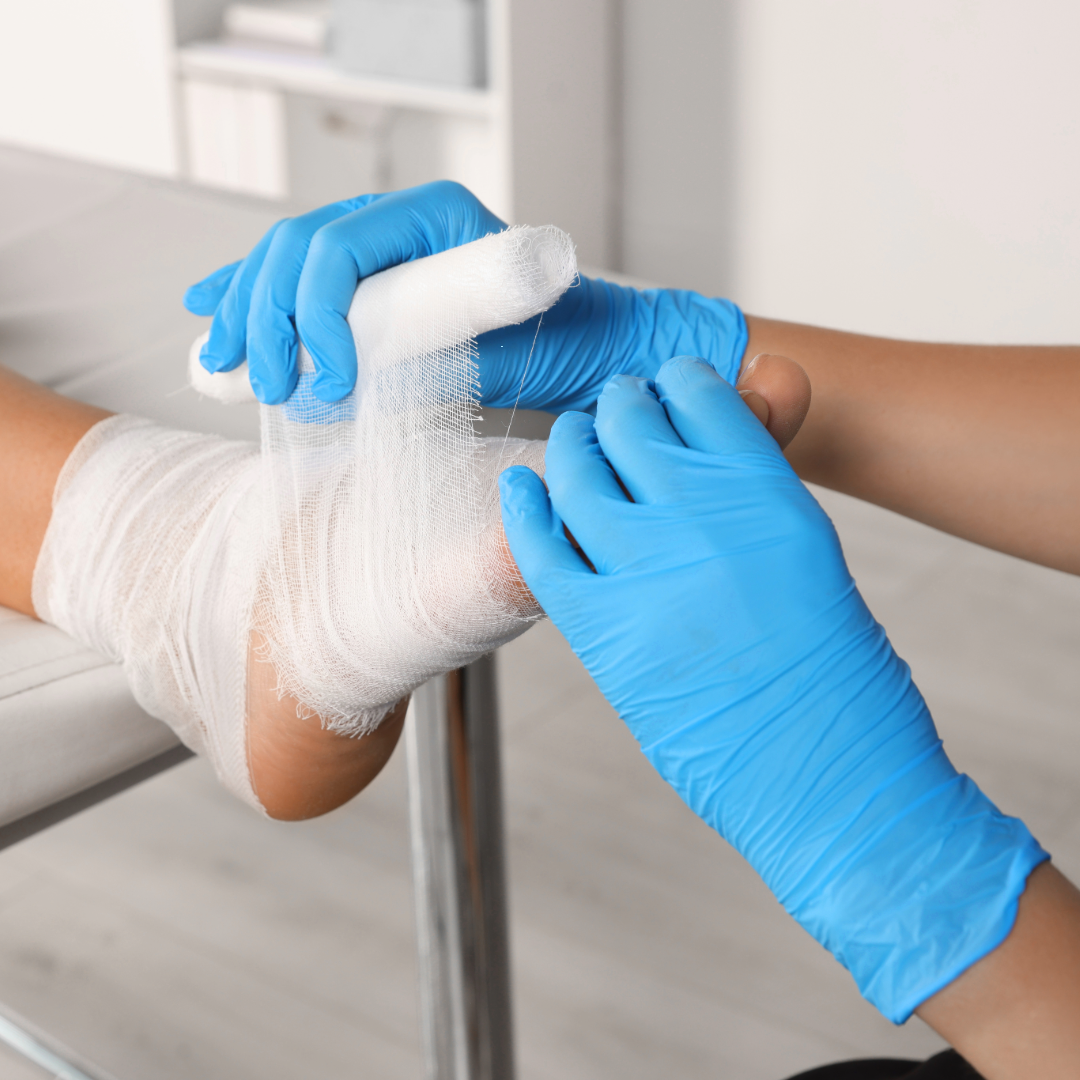
Don’t Let Stubborn Wounds Get Worse
If you have a wound that isn’t healing, it’s critical to seek care before it gets any worse. If left untreated, chronic wounds can lead to serious complications such as deep infections, life-threatening sepsis or even the need for amputation.
How do you know whether you have a chronic wound? It’s a sore or injury that doesn’t get better after a month and may keep coming back or worsening. Chronic wounds are more common in elderly people or people with diabetes, high blood pressure, obesity or other vascular disease. People who smoke are at high risk for poor wound healing.
Wound Care Centers
Wound care centers are specialized treatment facilities for people with chronic non-healing wounds and chronic swelling. A team of specialists works together to help each patient manage their condition. Specialized care may involve:
- Physicians
- Advanced practice nurses
- Home care
- Therapy
- Lab services
- Radiology
- Vascular lab
- Home medical equipment suppliers
- Social workers
- Physical therapists
- Dieticians
- Transportation services
“We treat the whole body, not just the hole in the body,” said Terri Lenigar, MSN, FNP-C, WCC, of Aultman Alliance Community Hospital Wound Care Center.
Patients do not need a referral from their physician for wound care appointments. “A treatment plan will be established on the first visit,” Lenigar said. “Your wound care provider may order diagnostic testing to evaluate blood circulation, lab/nutritional status and cultures. Your treatment plan may be adjusted often as the wound changes and testing results are obtained.”
Wound care patients are typically seen weekly and may require additional appointments for dressing changes between provider visits.
Wounds are pictured and measured weekly to document progress. Wound care centers often use highly specialized electronic medical record software that tracks progress reports and allows the care team to monitor the average number of days it takes each wound to heal.
Treatment of Chronic Wounds
Wound care centers use advanced therapies to treat and heal wounds.
Surgical debridement uses a sharp instrument to remove dead and/or infected tissue from the wound bed. Debridement promotes growth of healthy tissue in the wound bed and helps reduce the spread of bacteria and infection.
Compression therapy/multi-layered wraps may help reduce swelling, fluid buildup from nearby blood vessels and pressure in the veins, allowing for improved wound healing.
Special dressings are used to control wound drainage, keep the right amount of moisture and help new tissue grow.
Total contact casts eliminate friction on foot wounds in diabetic and neuropathic patients, taking pressure off the wound so it can heal. The cast extends from the foot to just below the knee to keep the surrounding joint from moving while still allowing the patient to walk.
Cellular tissue products are advanced biologic (human, animal or cultured in vitro) dressings that may be used to treat a qualifying wound such as a diabetic foot wound. These products allow the wound to heal more efficiently.
Negative pressure therapy (wound vac) uses gentle suction to remove fluid, improve blood flow and help the wound heal faster while reducing the risk of infection.
Hyperbaric oxygen treatments are covered by insurance for qualifying diagnoses. These patients may have damaged tissue from previous radiation treatments, diabetic ulcers or infected tissue or bone that causes tissue death, or other specified diagnoses. With hyperbaric oxygen treatments, patients breathe 100% oxygen under pressure, supersaturating the bloodstream. This promotes healing of damaged tissue and bone and increases chances that the wounds will heal and infection will be eliminated.
How to Get Help
If you or anyone you know has a wound that has been open for more than four weeks, please seek medical attention. Aultman offers wound care services in Canton and Alliance. Click here for more information.
Sources:
Mayo Clinic
MedlinePlus
The StayWell Company, LLC
Surgical Clinics of North America
Wound Care Education Institute
Location Finder
Here's your guide to finding any of the facilities in the Aultman family of health services, including maps and contacts.
Need a Doctor?
Aultman's network of providers is committed to high-quality patient care.
Schedule an Appointment
Click below to complete an online form.
Donate Today
You can help support and enhance services, and in turn, help patients and their families who benefit from care received at Aultman.