

330-452-9911 (Aultman Main)
Patients & Visitors

- Patient Support
- My Experience
- Join Our Grateful Community
- Nondiscrimination & Language Services
- Patient Nutrition
- Patient Portal
- Patient Privacy
- Patient Medical Records
- Patient Rights and Responsibilities
- Patient Welcome Folder
- Tests & Procedures
- Contact Us
- Visitors
- Contact a Patient
- Aultman Anywhere App
- The Shoppes at Aultman
- Visitor Policies
- Parking and Maps
- Dining Options
- Things to Do
- Insurance and Billing
- Pay My Bill
- Accepted Insurance
- Financial Assistance
- Pricing
- FAQs
- Notice to Our Patients
- Notice to Our Patients of Privacy Incident
Services
- Medical Services
- Back & Spine Center
- Birth Center
- Cancer Center
- Critical Care
- Emergency
- Heart & Vascular
- Mental Health Services
- Neurosurgery
- Orthopedics and Sports Medicine
- Stroke
- Surgical Services
- Urology
- Support Services
- AultmanNow
- Aultman Specialty Pharmacy Services
- AultWorks
- Case Management
- Clinical Trials
- Diabetes Education
- Grief
- Home Medical Supply
- Home and Aultman Infusion Services at Woodlawn
- Home Health Care
- Hospice/Palliative Care
- Imaging
- Inpatient Rehab
- Integrated Health Collaborative
- Lab
- MEDS Clinic
- Pain Management
- Security
- Sleep Services
- Spiritual Care
- Therapy
- Urgent Care
- Victims of Violence - Forensic Nurse
- Wound Care
Health & Wellness
- Health Library
- Library
- Health Centers
- Nutrition
- Healthy Living
- Health Risk Assessments
- Printable Medication Record
- Symptom Checker
- Community Education
- Event Calendar
- AultCaring Conversations
- Community Education
About
- Aultman
- About Aultman
- Careers
- Diversity, Equity, Inclusion and Belonging at Aultman
- Newsroom
- Our Policies
- Annual Report
- Community Health Needs Assessment
- Sharon Lane – An American Heroine
- Aultman Corporate Sponsorships & Volunteer Requests
Locations
- Locations
- AultCare
- Aultman Alliance
- Aultman Carrollton
- Aultman College
- Aultman Dover
- Aultman Hartville
- Aultman Hospital
- Aultman Louisville
- Aultman Massillon
- Aultman Medical Group
- Aultman North
- Aultman Orrville
- Aultman Orrville Doylestown Health Center
- Aultman Tusc
- Aultman Tuscarawas Regional Health
- The Aultman Foundation
- Aultman Woodlawn
Schedule an Appointment
*Please fill in all the required fields.
- Home >
- Blog >
- Caring For You >
-
Watch Out for Tick-Related Illnesses
Menu
Recent Posts
- Watch Out for Tick-Related Illnesses
- Volunteer Spotlight: Gary Wood
- Recipe: One-Skillet Garlicky Salmon and Broccoli
- Grateful Patient Story: Patty Carmola
- Grateful Patient Update: Kylie Zehnder
Archive Posts

Location Finder
Here's your guide to finding any of the facilities in the Aultman family of health services, including maps and contacts.

Need a Doctor?
Aultman's network of providers is committed to high-quality patient care.

Schedule an Appointment
Click below to complete an online form.

Donate Today
You can help support and enhance services, and in turn, help patients and their families who benefit from care received at Aultman.
Watch Out for Tick-Related Illnesses
Tick-related illnesses are rapidly rising in Ohio. In 2020, the state had just 415 reported cases of Lyme disease, a bacterial infection spread by the blacklegged tick. That number surged to 2,800 in 2025, according to the Ohio Department of Health.
And Lyme disease isn’t the only tick-related ailment that Ohioans should be concerned about. The lone star tick, infamous for causing alpha-gal syndrome – a potentially life-threatening red meat allergy – has made its way to Ohio.
Here’s what to watch for and how to protect yourself.
Ticks in Ohio
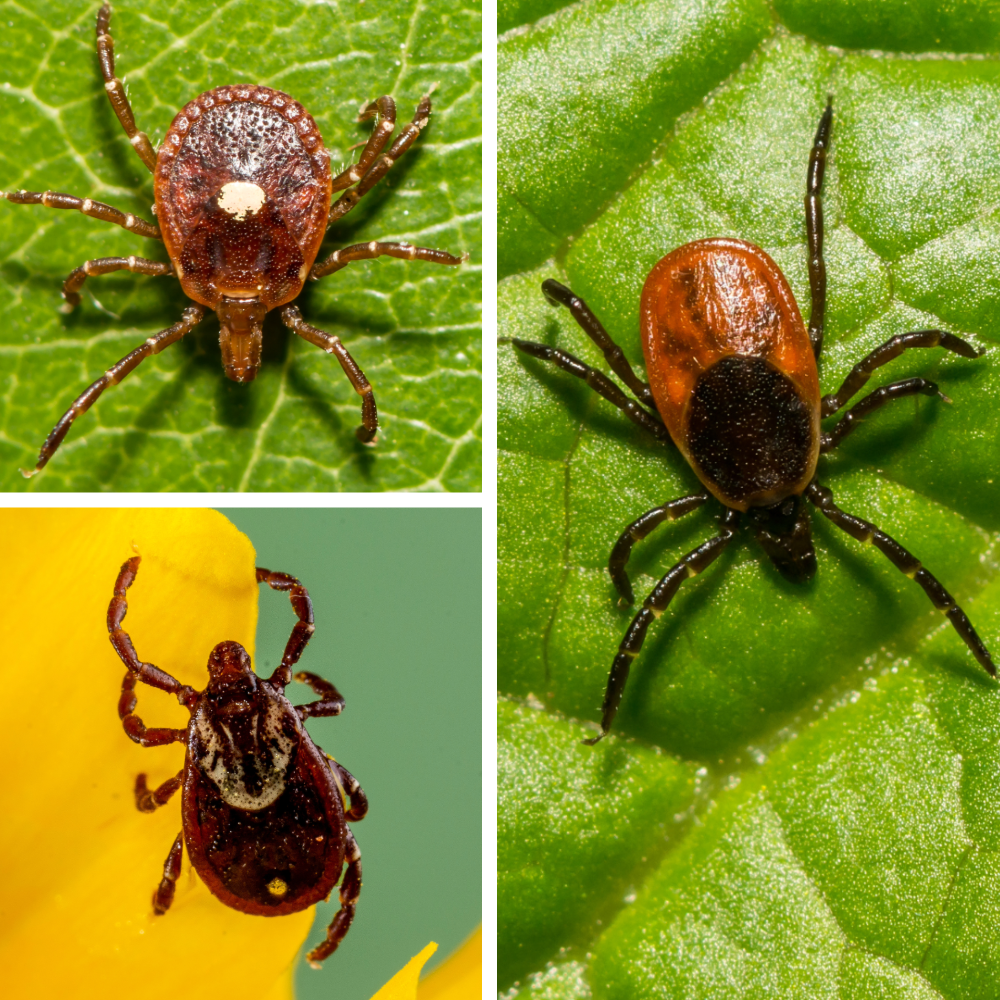
Twelve kinds of ticks call Ohio home, but most tick-related illnesses in the state are transmitted by three: the blacklegged tick, lone star tick and American dog tick. Most encounters with ticks occur in the spring through mid-summer and again in the fall, except for the blacklegged tick, which can be active nearly all year round.
Blacklegged tick. About the size of a sesame seed, the blacklegged tick is found in wooded, brushy habitats and carried by mice, chipmunks, shrews and deer.
These ticks are notorious for spreading Lyme disease, which can cause fever, rash, fatigue, joint pain and swollen lymph nodes. Lyme disease can become chronic, causing long-term symptoms such as body aches, fatigue and difficulty thinking, according to the Centers for Disease Control and Prevention (CDC).
Blacklegged ticks can also carry anaplasmosis, babesiosis and Powassan virus disease. And they are associated with alpha-gal syndrome (the red meat allergy).
Lone star tick. Known for its aggressiveness in biting humans, the lone star tick is more common in southern Ohio but can be found throughout the state. It lives in woodlands with plenty of undergrowth and is carried by squirrels, raccoons, deer, cattle, some bird species, cats, dogs and humans.
It can transmit ehrlichiosis and southern tick-associated rash illness (STARI) – and its bite has been associated with alpha-gal syndrome.
American dog tick. The American dog tick favors grassy fields, clearings and other areas with little tree cover. It’s carried by small rodents and medium-sized wild mammals, domestic cats, dogs and humans.
This tick transmits Rocky Mountain spotted fever and, rarely, tularemia.
How to Avoid Ticks
The key to avoiding tick-related illnesses is to avoid ticks themselves. The Ohio Department of Health recommends the following:
Don’t venture into areas where ticks live. Walk in the center of trails. Whether you’re in the backyard or on a hike, avoid wooded and brushy areas with high grass and fallen leaves. Be especially careful in spring, summer and fall.
Use tick repellents. On exposed skin, apply insect repellents registered by the U.S. Environmental Protection Agency (EPA) and labeled for use against ticks. This kind of protection lasts for several hours. Treat clothing and gear such as boots, pants, socks and tents with products containing 0.5% permethrin. Always follow label instructions. Pretreated clothing is available and may provide longer-lasting protection.
Cover up. Wear long pants, long sleeves and long socks. Tuck pant legs into socks or boots and tuck shirts into pants. Wear light-colored clothing to help you spot ticks more easily.
What to Do if You Find a Tick
Check your clothes, gear and pets for ticks before going inside. Run dry clothes in the dryer on high heat for 10 minutes to kill any ticks. If the clothes are wet, dry them for longer.
Conduct a full-body check for ticks, and do the same for your children. Everyone should bathe or shower within two hours of coming indoors.
If you are bitten by a tick, stay calm. Use tweezers to carefully remove the tick, including its mouth parts.
Monitor your health in the following days. While the CDC recognizes a 36- to 48-hour window for a tick to transmit a disease, the Ohio Department of Natural Resources says there is evidence that transmission can occur sooner.
Watch for fever and chills, aches and pains or a rash. The earlier a disease transmitted by a tick is treated, the less likely it is that you will have serious complications. Contact your healthcare provider immediately if you suspect you’ve been bitten by a tick and experience symptoms.
Looking for a Provider?
If you are looking for a primary care provider, Aultman Medical Group Primary Care has many providers ready to take care of you and your family. Many of our offices are accepting new patients – and more than likely, we have a location in your community.
Visit aultman.org/NewDoc to find a provider in your area who is accepting new patients, or call the new patient hotline at 330-433-1264 for assistance with scheduling your appointment.
Sources:
Centers for Disease Control and Prevention
Ohio Department of Health
Ohio Department of Natural Resources
Location Finder
Here's your guide to finding any of the facilities in the Aultman family of health services, including maps and contacts.
Need a Doctor?
Aultman's network of providers is committed to high-quality patient care.
Schedule an Appointment
Click below to complete an online form.
Donate Today
You can help support and enhance services, and in turn, help patients and their families who benefit from care received at Aultman.