

330-452-9911 (Aultman Main)
Patients & Visitors

- Patient Support
- My Experience
- Join Our Grateful Community
- Nondiscrimination & Language Services
- Patient Nutrition
- Patient Portal
- Patient Privacy
- Patient Medical Records
- Patient Rights and Responsibilities
- Patient Welcome Folder
- Tests & Procedures
- Contact Us
- Visitors
- Contact a Patient
- Aultman Anywhere App
- The Shoppes at Aultman
- Visitor Policies
- Parking and Maps
- Dining Options
- Things to Do
- Insurance and Billing
- Pay My Bill
- Accepted Insurance
- Financial Assistance
- Pricing
- FAQs
- Notice to Our Patients
- Notice to Our Patients of Privacy Incident
Services
- Medical Services
- Back & Spine Center
- Birth Center
- Cancer Center
- Critical Care
- Emergency
- Heart & Vascular
- Mental Health Services
- Neurosurgery
- Orthopedics and Sports Medicine
- Stroke
- Surgical Services
- Urology
- Support Services
- AultmanNow
- Aultman Specialty Pharmacy Services
- AultWorks
- Case Management
- Clinical Trials
- Diabetes Education
- Grief
- Home Medical Supply
- Home and Aultman Infusion Services at Woodlawn
- Home Health Care
- Hospice/Palliative Care
- Imaging
- Inpatient Rehab
- Integrated Health Collaborative
- Lab
- MEDS Clinic
- Pain Management
- Security
- Sleep Services
- Spiritual Care
- Therapy
- Urgent Care
- Victims of Violence - Forensic Nurse
- Wound Care
Health & Wellness
About
- Aultman
- About Aultman
- Careers
- Diversity, Equity, Inclusion and Belonging at Aultman
- Newsroom
- Our Policies
- Annual Report
- Community Health Needs Assessment
- Sharon Lane – An American Heroine
- Aultman Corporate Sponsorships & Volunteer Requests
Locations
- Locations
- AultCare
- Aultman Alliance
- Aultman Carrollton
- Aultman College
- Aultman Dover
- Aultman Hartville
- Aultman Hospital
- Aultman Louisville
- Aultman Massillon
- Aultman Medical Group
- Aultman North
- Aultman Orrville
- Aultman Orrville Doylestown Health Center
- Aultman Tusc
- Aultman Tuscarawas Regional Health
- The Aultman Foundation
- Aultman Woodlawn
Schedule an Appointment
*Please fill in all the required fields.
- Home >
- Blog >
- Caring For You >
-
Why Do People Lose Their Sense of Smell?
Menu
Recent Posts
- Why Do People Lose Their Sense of Smell?
- Grateful Patient Story: Larry Grove
- Listen to Your Heart: Are Your Valves OK?
- Recipe: Loaded Chickpea-Stuffed Sweet Potatoes
- Love Your Pet AND Your Brain
Archive Posts

Location Finder
Here's your guide to finding any of the facilities in the Aultman family of health services, including maps and contacts.

Need a Doctor?
Aultman's network of providers is committed to high-quality patient care.

Schedule an Appointment
Click below to complete an online form.

Donate Today
You can help support and enhance services, and in turn, help patients and their families who benefit from care received at Aultman.
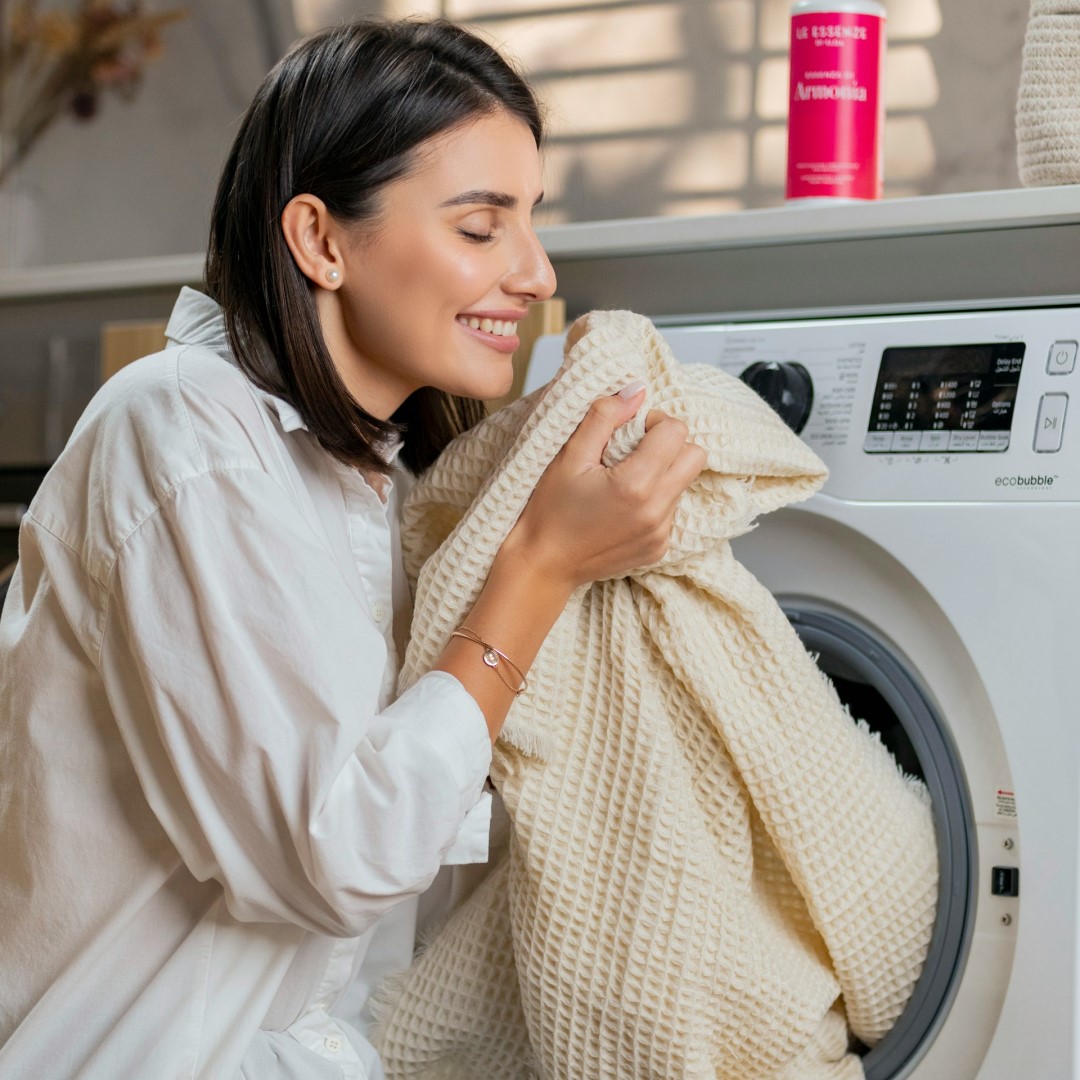
Why Do People Lose Their Sense of Smell?
On Feb. 27, we recognize National Anosmia Awareness Day. Anosmia is among the most common taste and smell disorders, and it means that a person has lost the sense of smell.
During the peak of COVID-19, millions of people lost their sense of smell due to the virus. Some gained it back completely, but others never fully recovered. Why did this happen?
The olfactory nerves in the upper nasal cavity are responsible for the sense of smell: They detect molecules released by your surroundings and send signals to the brain to interpret smells. When those nerves are affected by a virus, aging or other factors such as smoking or hormonal disturbances, your sense of smell can suffer, diminishing your quality of life and possibly even putting you in danger.
When a person cannot smell anything, the condition is called anosmia. Hyposmia is the decreased ability to detect odors through your nose. If you are experiencing either condition, see your healthcare provider to identify the underlying cause so that it can be treated.
Allison Lipely, MSEP, TTS, cardiopulmonary rehab lead with Aultman Deuble Heart & Vascular Hospital, says that Smell Retraining Therapy (SRT), originally developed by Dr. Thomas Hummel at the University of Dresden, has been used to help stimulate the olfactory system for people experiencing anosmia or hyposmia after COVID-19 or other damage to the olfactory nerves.
“SRT involves repeated exposure to different smells through the nose, which will establish a memory of that smell,” Lipely says. “The goal of SRT is to allow olfactory neurons to regrow while also encouraging better brain connectivity.”
Aultman begins SRT with four different essential oils – one each from the floral, fruity, spicy and resinous fragrance families. “Patients in SRT take small sniffs of each for 10-20 seconds at least once per day,” Lipely says. “It’s important during that 10-20 seconds to stay focused, concentrating on your memory of that smell.”
A newer treatment option is also showing promise for anosmia and hyposmia patients. Topical corticosteroid sprays can be used for short-term treatments. These sprays enable the regeneration of damaged cells that support the olfactory neurons. SRT and the corticosteroid sprays do not offer full recovery of the sense of smell, but 85%-90% of those affected can see improvements within four weeks of starting treatment.
If you are looking for a primary care provider, visit AultmanDocs.com to find a provider near you. Smell Retraining Therapy (SRT) is offered at Aultman Deuble Heart & Vascular Hospital with a referral from your provider.
Sources:
Iranian Journal of Otorhinolaryngology
National Institute on Deafness and Other Communication Disorders
The Staywell Company, LLC
Location Finder
Here's your guide to finding any of the facilities in the Aultman family of health services, including maps and contacts.
Need a Doctor?
Aultman's network of providers is committed to high-quality patient care.
Schedule an Appointment
Click below to complete an online form.
Donate Today
You can help support and enhance services, and in turn, help patients and their families who benefit from care received at Aultman.