

330-452-9911 (Aultman Main)
Patients & Visitors

- Patient Support
- My Experience
- Join Our Grateful Community
- Nondiscrimination & Language Services
- Patient Nutrition
- Patient Portal
- Patient Privacy
- Patient Medical Records
- Patient Rights and Responsibilities
- Patient Welcome Folder
- Tests & Procedures
- Contact Us
- Visitors
- Contact a Patient
- Aultman Anywhere App
- The Shoppes at Aultman
- Visitor Policies
- Parking and Maps
- Dining Options
- Things to Do
- Insurance and Billing
- Pay My Bill
- Accepted Insurance
- Financial Assistance
- Pricing
- FAQs
Services
- Medical Services
- Back & Spine Center
- Birth Center
- Cancer Center
- Critical Care
- Emergency
- Heart & Vascular
- Mental Health Services
- Neurosurgery
- Orthopedics and Sports Medicine
- Stroke
- Surgical Services
- Urology
- Support Services
- AultmanNow
- Aultman Specialty Pharmacy Services
- AultWorks
- Case Management
- Clinical Trials
- Diabetes Education
- Grief
- Home Medical Supply
- Home and Aultman Infusion Services at Woodlawn
- Home Health Care
- Hospice/Palliative Care
- Imaging
- Inpatient Rehab
- Integrated Health Collaborative
- Lab
- MEDS Clinic
- Pain Management
- Security
- Sleep Services
- Spiritual Care
- Therapy
- Urgent Care
- Victims of Violence - Forensic Nurse
- Wound Care
Health & Wellness
About
- Aultman
- About Aultman
- Careers
- Diversity, Equity, Inclusion and Belonging at Aultman
- Newsroom
- Our Policies
- Annual Report
- Community Health Needs Assessment
- Sharon Lane – An American Heroine
- Aultman Corporate Sponsorships & Volunteer Requests
Locations
- Locations
- AultCare
- Aultman Alliance
- Aultman Carrollton
- Aultman College
- Aultman Dover
- Aultman Hartville
- Aultman Hospital
- Aultman Louisville
- Aultman Massillon
- Aultman Medical Group
- Aultman North
- Aultman Orrville
- Aultman Orrville Doylestown Health Center
- Aultman Tusc
- Aultman Tuscarawas Regional Health
- The Aultman Foundation
- Aultman Woodlawn
Schedule an Appointment
*Please fill in all the required fields.
- Home >
- Blog >
- Caring For You >
-
Recognizing and Treating Parkinson’s Disease
Menu
Recent Posts
- Recognizing and Treating Parkinson’s Disease
- Level Up Your Grilled Cheese
- The Positive Perks of Pets
- Chatbots Are No Match for Your Healthcare Team
- Recipe: Brunch Bagel Bar
Archive Posts

Location Finder
Here's your guide to finding any of the facilities in the Aultman family of health services, including maps and contacts.

Need a Doctor?
Aultman's network of providers is committed to high-quality patient care.

Schedule an Appointment
Click below to complete an online form.

Donate Today
You can help support and enhance services, and in turn, help patients and their families who benefit from care received at Aultman.
Recognizing and Treating Parkinson’s Disease
You may have heard of Parkinson’s disease, but you may not be familiar with how the disease affects patients who have it. For Parkinson’s Awareness Month, here’s what you need to know about a disease that can be a life-changing diagnosis.
Parkinson’s disease (PD) is one of a group of motor systems disorders known as Parkinsonism. It is a chronic disease that slowly gets worse over time.
“Patients and their families can have a good quality of life after an adjustment period,” said Kristin Gabella, PT, DPT, senior physical therapist at Aultman Orrville Hospital. “It is important to find a provider who specializes in the care of Parkinson’s disease and other neurological disorders to help manage the symptoms.”
The causes of PD are unknown, but experts believe that it is linked to an imbalance of dopamine in the brain due to cell death. Dopamine is responsible for smooth and coordinated muscle movement.
Symptoms of PD vary from person to person and can include:
- Tremor or trembling of the arms, jaw, legs and face
- Stiffness or rigidity of the limbs and trunk
- Slowness of movement (bradykinesia)
- Problems with balance and coordination
- Postural instability
- Diminished sense of smell
- Low speaking volume
PD is not contagious. Experts believe a mix of genetics and environment contributes to the development of PD.
The biggest risk factor for PD is age. Although it can affect younger people, the average age for symptoms to start is 70 years. Men are more affected by the disease than women. Family history of the disease is another risk factor, as well as exposure to environmental toxins.
PD symptoms can look like other health problems, so be sure to talk to your healthcare provider about getting a diagnosis. Testing can include a neurological exam, trial tests of medicines, CT scan and MRI.
At this time, there is no cure for PD, but your healthcare provider can plan treatment based on the severity of symptoms and progression of the disease. Treatment options may include a combination of medication, surgery and complementary and supportive therapies like physical therapy and occupational therapy.
“I find it helpful to tell my patients that no two people with Parkinson’s disease experience it in the same way,” Gabella said. “Depending on the symptoms and stage of the disease, lifestyle and treatment plans will vary from person to person.”
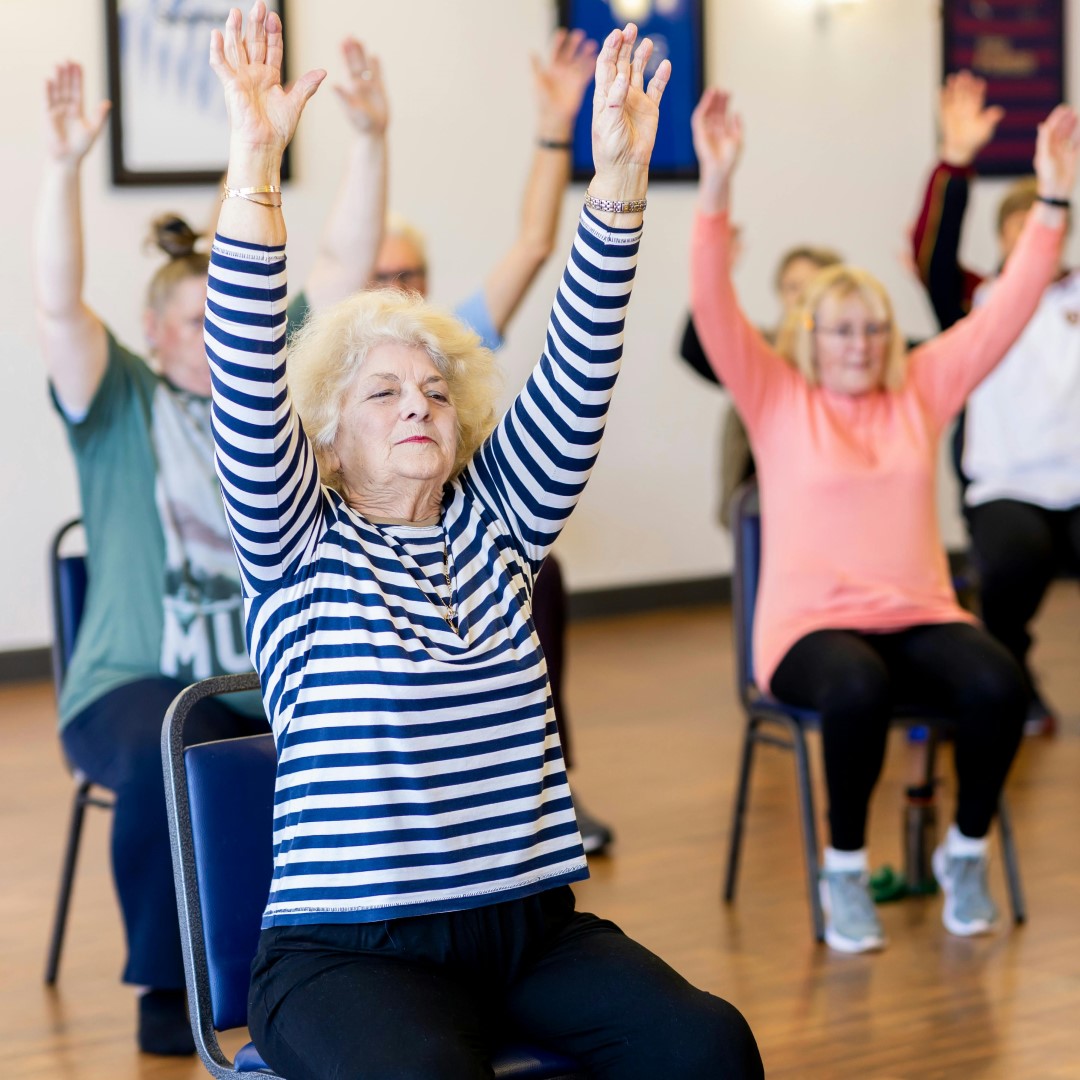
Combined with medical care, adopting a healthy lifestyle can help manage PD symptoms and support quality of life. Eating a healthy diet, regular exercise, staying mobile and doing physical, occupational and speech therapy can all help. Aultman Therapy Services offers evidence-based therapies for Parkinson’s disease at Aultman Massillon, Aultman Orrville Hospital and Aultman Tusc. Click here for more information.
Source: The Staywell Company, LLC
Location Finder
Here's your guide to finding any of the facilities in the Aultman family of health services, including maps and contacts.
Need a Doctor?
Aultman's network of providers is committed to high-quality patient care.
Schedule an Appointment
Click below to complete an online form.
Donate Today
You can help support and enhance services, and in turn, help patients and their families who benefit from care received at Aultman.