

330-452-9911 (Aultman Main)
Patients & Visitors

- Patient Support
- My Experience
- Join Our Grateful Community
- Nondiscrimination & Language Services
- Patient Nutrition
- Patient Portal
- Patient Privacy
- Patient Medical Records
- Patient Rights and Responsibilities
- Patient Welcome Folder
- Tests & Procedures
- Contact Us
- Visitors
- Contact a Patient
- Aultman Anywhere App
- The Shoppes at Aultman
- Visitor Policies
- Parking and Maps
- Dining Options
- Things to Do
- Insurance and Billing
- Pay My Bill
- Accepted Insurance
- Financial Assistance
- Pricing
- FAQs
- Notice to Our Patients
- Notice to Our Patients of Privacy Incident
Services
- Medical Services
- Back & Spine Center
- Birth Center
- Cancer Center
- Critical Care
- Emergency
- Heart & Vascular
- Mental Health Services
- Neurosurgery
- Orthopedics and Sports Medicine
- Stroke
- Surgical Services
- Urology
- Support Services
- AultmanNow
- Aultman Specialty Pharmacy Services
- AultWorks
- Case Management
- Clinical Trials
- Diabetes Education
- Grief
- Home Medical Supply
- Home and Aultman Infusion Services at Woodlawn
- Home Health Care
- Hospice/Palliative Care
- Imaging
- Inpatient Rehab
- Integrated Health Collaborative
- Lab
- MEDS Clinic
- Pain Management
- Security
- Sleep Services
- Spiritual Care
- Therapy
- Urgent Care
- Victims of Violence - Forensic Nurse
- Wound Care
Health & Wellness
About
- Aultman
- About Aultman
- Careers
- Diversity, Equity, Inclusion and Belonging at Aultman
- Newsroom
- Our Policies
- Annual Report
- Community Health Needs Assessment
- Sharon Lane – An American Heroine
- Aultman Corporate Sponsorships & Volunteer Requests
Locations
- Locations
- AultCare
- Aultman Alliance
- Aultman Carrollton
- Aultman College
- Aultman Dover
- Aultman Hartville
- Aultman Hospital
- Aultman Louisville
- Aultman Massillon
- Aultman Medical Group
- Aultman North
- Aultman Orrville
- Aultman Orrville Doylestown Health Center
- Aultman Tusc
- Aultman Tuscarawas Regional Health
- The Aultman Foundation
- Aultman Woodlawn
Schedule an Appointment
*Please fill in all the required fields.
- Home >
- Blog >
- Caring For You >
-
Listen to Your Heart: Are Your Valves OK?
Menu
Recent Posts
- Listen to Your Heart: Are Your Valves OK?
- Recipe: Loaded Chickpea-Stuffed Sweet Potatoes
- Love Your Pet AND Your Brain
- Caregivers: Finding Balance
- Recipe: Asian Chicken Salad
Archive Posts

Location Finder
Here's your guide to finding any of the facilities in the Aultman family of health services, including maps and contacts.

Need a Doctor?
Aultman's network of providers is committed to high-quality patient care.

Schedule an Appointment
Click below to complete an online form.

Donate Today
You can help support and enhance services, and in turn, help patients and their families who benefit from care received at Aultman.
Listen to Your Heart: Are Your Valves OK?
As many as 15.3 million Americans have heart valve disease, yet 3 out of 4 people know little to nothing about this serious condition, which if left untreated can lead to heart failure and death. Kristin Barnes, APRN-CNP of Aultman Deuble Heart & Vascular Hospital’s Structural Heart program, provides information about the symptoms and treatment of heart valve disease.
About Heart Valve Disease
Heart valve disease involves damage to one or more of your heart’s four valves. There are two types of damage that can cause problems. Stenosis keeps the valve from opening or closing properly. Regurgitation disrupts blood flow.
Valve damage can develop from cardiovascular disease, age, infections (such as endocarditis), rheumatic fever, family history or certain cancer treatments such as chest radiation. Two of the most common valvular problems are aortic stenosis and mitral regurgitation. Once they become severe, both issues should be corrected.
One in five people aged 75 and older have heart valve disease. And for 1 in 10 of these people, their heart valve disease is moderate to severe.
Early treatment is key. No matter your age or symptoms, studies show that early diagnosis and treatment provide the best long-term outcomes and improvement in quality of life.
Symptoms
Because heart valve disease can be present even when you don’t have symptoms, regular checkups with your primary care provider are important to maintaining heart health. Your provider can often detect a heart valve problem before it becomes more serious.
But there are warning signs you can watch for. LISTEN to your heart for these symptoms:
L – Lightheaded, faint or dizzy
I – Irregular heartbeat and/or chest pain
S – Shortness of breath after light activity or while lying down
T – Tiredness, even if you’ve had plenty of sleep
E – Edema (swelling of the ankles and feet)
N – Not feeling like yourself (missing out on daily activities)
Diagnosis and Treatment
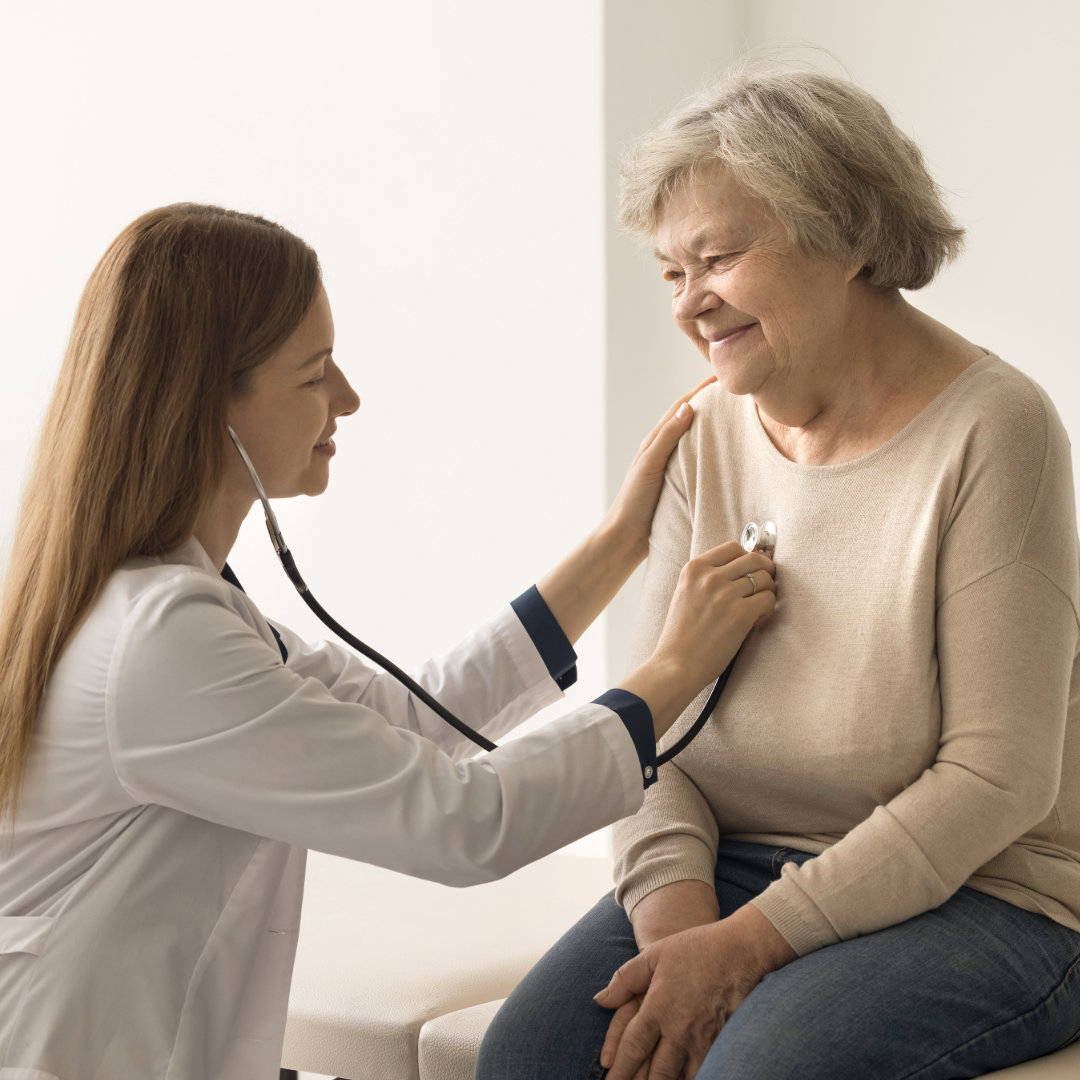
Whether or not you are experiencing symptoms, the best way to find out if you have heart valve disease is having a healthcare provider listen to your heart for abnormal sounds called murmurs. If a murmur is detected or progressing, your healthcare provider may also do an echocardiogram to confirm the diagnosis and form a treatment plan.
Needing a valve replacement or repair does not necessarily mean open-heart surgery. For most patients over the age of 65, Aultman Deuble Heart & Vascular Hospital can offer minimally invasive options for treating significant valvular problems.
Valve disease interventions include transcatheter aortic valve replacement (TAVR), mitral and tricuspid transcatheter edge-edge repair (TEER), transcatheter mitral valve replacement (TMVR) and balloon angioplasty.
Sources:
American College of Cardiology
American Heart Association
Location Finder
Here's your guide to finding any of the facilities in the Aultman family of health services, including maps and contacts.
Need a Doctor?
Aultman's network of providers is committed to high-quality patient care.
Schedule an Appointment
Click below to complete an online form.
Donate Today
You can help support and enhance services, and in turn, help patients and their families who benefit from care received at Aultman.