

330-452-9911 (Aultman Main)
Patients & Visitors

- Patient Support
- My Experience
- Join Our Grateful Community
- Nondiscrimination & Language Services
- Patient Nutrition
- Patient Portal
- Patient Privacy
- Patient Medical Records
- Patient Rights and Responsibilities
- Patient Welcome Folder
- Tests & Procedures
- Contact Us
- Visitors
- Contact a Patient
- Aultman Anywhere App
- The Shoppes at Aultman
- Visitor Policies
- Parking and Maps
- Dining Options
- Things to Do
- Insurance and Billing
- Pay My Bill
- Accepted Insurance
- Financial Assistance
- Pricing
- FAQs
- Notice to Our Patients
- Notice to Our Patients of Privacy Incident
Services
- Medical Services
- Back & Spine Center
- Birth Center
- Cancer Center
- Critical Care
- Emergency
- Heart & Vascular
- Mental Health Services
- Neurosurgery
- Orthopedics and Sports Medicine
- Stroke
- Surgical Services
- Urology
- Support Services
- AultmanNow
- Aultman Specialty Pharmacy Services
- AultWorks
- Case Management
- Clinical Trials
- Diabetes Education
- Grief
- Home Medical Supply
- Home and Aultman Infusion Services at Woodlawn
- Home Health Care
- Hospice/Palliative Care
- Imaging
- Inpatient Rehab
- Integrated Health Collaborative
- Lab
- MEDS Clinic
- Pain Management
- Security
- Sleep Services
- Spiritual Care
- Therapy
- Urgent Care
- Victims of Violence - Forensic Nurse
- Wound Care
Health & Wellness
About
- Aultman
- About Aultman
- Careers
- Diversity, Equity, Inclusion and Belonging at Aultman
- Newsroom
- Our Policies
- Annual Report
- Community Health Needs Assessment
- Sharon Lane – An American Heroine
- Aultman Corporate Sponsorships & Volunteer Requests
Locations
- Locations
- AultCare
- Aultman Alliance
- Aultman Carrollton
- Aultman College
- Aultman Dover
- Aultman Hartville
- Aultman Hospital
- Aultman Louisville
- Aultman Massillon
- Aultman Medical Group
- Aultman North
- Aultman Orrville
- Aultman Orrville Doylestown Health Center
- Aultman Tusc
- Aultman Tuscarawas Regional Health
- The Aultman Foundation
- Aultman Woodlawn
Schedule an Appointment
*Please fill in all the required fields.
- Home >
- Blog >
- Caring For You >
-
Caregivers: Finding Balance
Menu
Recent Posts
- Love Your Pet AND Your Brain
- Caregivers: Finding Balance
- Recipe: Asian Chicken Salad
- Black History Month Spotlight: Healthcare Innovators
- Volunteer Spotlight: Tim O’Brien
Archive Posts

Location Finder
Here's your guide to finding any of the facilities in the Aultman family of health services, including maps and contacts.

Need a Doctor?
Aultman's network of providers is committed to high-quality patient care.

Schedule an Appointment
Click below to complete an online form.

Donate Today
You can help support and enhance services, and in turn, help patients and their families who benefit from care received at Aultman.
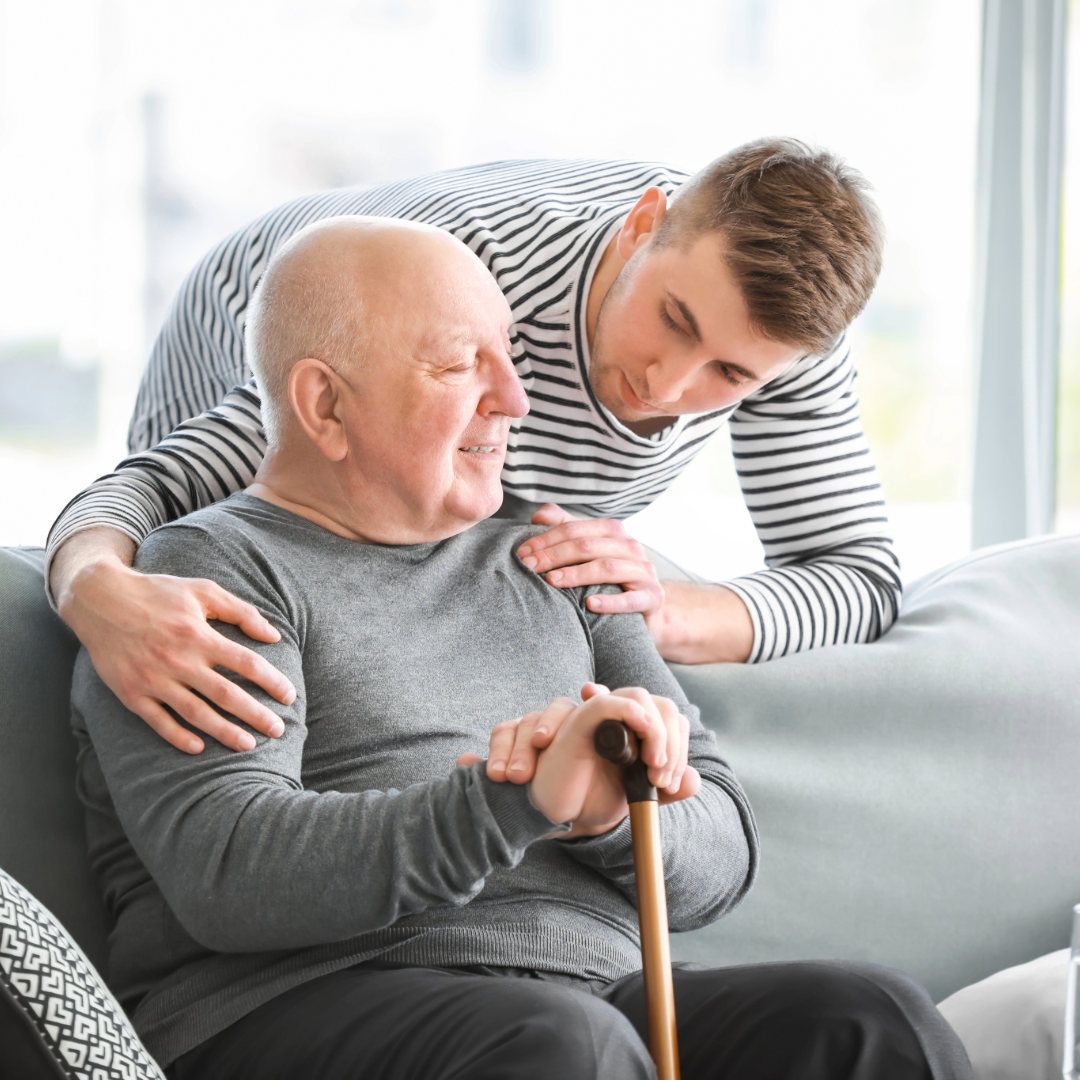
Caregivers: Finding Balance
If you’re the primary caregiver for an aging or ailing family member, you’re in good company. In 2025, one in four U.S. adults was a caregiver, according to the AARP®. And of these individuals, 29% were part of the sandwich generation – caring for their own children and their aging parents at the same time.
Caregiving can be exhausting as you juggle your loved one’s health needs, personal hygiene, safety, finances, medical appointments and more, even as you care for yourself and your family. You may find yourself neglecting your own needs, which can lead to poor health, depression and anxiety.
To stay healthy, it’s important to recognize the warning signs of burnout so that you can seek help.
Signs of Stress
The National Institute on Aging (NIA) warns caregivers not to wait until they feel absolutely overwhelmed before reaching out for help. Watch for the following signs of stress:
- Feeling exhausted, overwhelmed or anxious
- Becoming quick-tempered or impatient
- Experiencing loneliness or a sense of disconnectedness
- Having sleep issues
- Feeling sad or hopeless or losing interest in activities you used to enjoy
- Experiencing frequent headaches or pain
- Neglecting exercise or healthy meals
- Skipping personal hygiene tasks such as brushing your teeth or taking a shower
- Misusing alcohol or drugs, including prescription medication
If you experience any of these symptoms, don’t hesitate to ask for assistance.
Sources of Help
You don’t have to carry the load by yourself. Here are steps you can take to share caregiving responsibilities and lower your stress level.
Reach out to your local Area Agency on Aging.
Your local Area Agency on Aging can suggest resources that can help lift some tasks off your shoulders, such as meal preparation, personal hygiene, home repair, rides to medical appointments and more.
Find your local agency on the Ohio Department of Aging’s website.
Contact family, friends and your faith community.
People are eager to help but may not know how. Prepare a list of ways that people can assist your loved one – from bringing meals to providing respite care so that you can take a break – and don’t be afraid to share it.
The NIA suggests asking for small things first if that helps you feel more comfortable accepting help. Over time, as you get used to others pitching in, you can ease into larger requests.
Your faith community can be an excellent resource. Many faith communities have organized groups who are prepared to help with meals, home repair tasks, lawn care and more.
Talk with your loved one’s healthcare providers.
Your loved one’s medical care team can provide guidance and resources on the best options for care.
For example, if you are caring for a loved one who is recovering from a serious illness, action or injury, they may qualify for home healthcare. Home healthcare requires a physician referral.
“Home healthcare provides an array of services, including skilled nursing, therapy, aides and social services,” said Cheri Greenwell, director of clinical operations for Aultman Health Care in Your Home. “These services supplement the care provided by loved ones and help both the patient and the caregiver feel more confident in their ability to manage their health.”
As your loved one approaches the end of life, hospice care can also help you balance your loved one’s needs with your own. “With hospice care, the patient and family are surrounded with compassionate support,” said Traci Hocking, director of Aultman Hospice and Palliative Care.
Hospice patients receive expert pain and symptom management, emotional and spiritual support and 24/7 nursing access. Families receive education, respite and bereavement services.
Take care of yourself.
Cherish the time you have with your loved one during this stage of life. As others step in to share some of the caregiving load, use the time for self-care: do an activity you love, prepare healthy meals for yourself, get enough sleep and spend time with people you enjoy. Both your physical health and mental health will benefit.
Sources:
AARP
National Institute on Aging
Weill Institute for Neurosciences, University of California San Francisco
Location Finder
Here's your guide to finding any of the facilities in the Aultman family of health services, including maps and contacts.
Need a Doctor?
Aultman's network of providers is committed to high-quality patient care.
Schedule an Appointment
Click below to complete an online form.
Donate Today
You can help support and enhance services, and in turn, help patients and their families who benefit from care received at Aultman.