

330-452-9911 (Aultman Main)
Patients & Visitors

- Patient Support
- My Experience
- Join Our Grateful Community
- Nondiscrimination & Language Services
- Patient Nutrition
- Patient Portal
- Patient Privacy
- Patient Medical Records
- Patient Rights and Responsibilities
- Patient Welcome Folder
- Tests & Procedures
- Contact Us
- Visitors
- Contact a Patient
- Aultman Anywhere App
- The Shoppes at Aultman
- Visitor Policies
- Parking and Maps
- Dining Options
- Things to Do
- Insurance and Billing
- Pay My Bill
- Accepted Insurance
- Financial Assistance
- Pricing
- FAQs
- Notice to Our Patients
- Notice to Our Patients of Privacy Incident
Services
- Medical Services
- Back & Spine Center
- Birth Center
- Cancer Center
- Critical Care
- Emergency
- Heart & Vascular
- Mental Health Services
- Neurosurgery
- Orthopedics and Sports Medicine
- Stroke
- Surgical Services
- Urology
- Support Services
- AultmanNow
- Aultman Specialty Pharmacy Services
- AultWorks
- Case Management
- Clinical Trials
- Diabetes Education
- Grief
- Home Medical Supply
- Home and Aultman Infusion Services at Woodlawn
- Home Health Care
- Hospice/Palliative Care
- Imaging
- Inpatient Rehab
- Integrated Health Collaborative
- Lab
- MEDS Clinic
- Pain Management
- Security
- Sleep Services
- Spiritual Care
- Therapy
- Urgent Care
- Victims of Violence - Forensic Nurse
- Wound Care
Health & Wellness
About
- Aultman
- About Aultman
- Careers
- Diversity, Equity, Inclusion and Belonging at Aultman
- Newsroom
- Our Policies
- Annual Report
- Community Health Needs Assessment
- Sharon Lane – An American Heroine
- Aultman Corporate Sponsorships & Volunteer Requests
Locations
- Locations
- AultCare
- Aultman Alliance
- Aultman Carrollton
- Aultman College
- Aultman Dover
- Aultman Hartville
- Aultman Hospital
- Aultman Louisville
- Aultman Massillon
- Aultman Medical Group
- Aultman North
- Aultman Orrville
- Aultman Orrville Doylestown Health Center
- Aultman Tusc
- Aultman Tuscarawas Regional Health
- The Aultman Foundation
- Aultman Woodlawn
Schedule an Appointment
*Please fill in all the required fields.
- Home >
- Blog >
- Caring For You >
-
Older Adults: Stay Safe From Hypothermia and Frostbite
Menu
Recent Posts
- Winter Fun With Aultman Generations
- Older Adults: Stay Safe From Hypothermia and Frostbite
- Get the Right Care at the Right Place at the Right Time
- Stay Safe on New Year’s Eve
- The Magic of Reading Aloud
Archive Posts

Location Finder
Here's your guide to finding any of the facilities in the Aultman family of health services, including maps and contacts.

Need a Doctor?
Aultman's network of providers is committed to high-quality patient care.

Schedule an Appointment
Click below to complete an online form.

Donate Today
You can help support and enhance services, and in turn, help patients and their families who benefit from care received at Aultman.
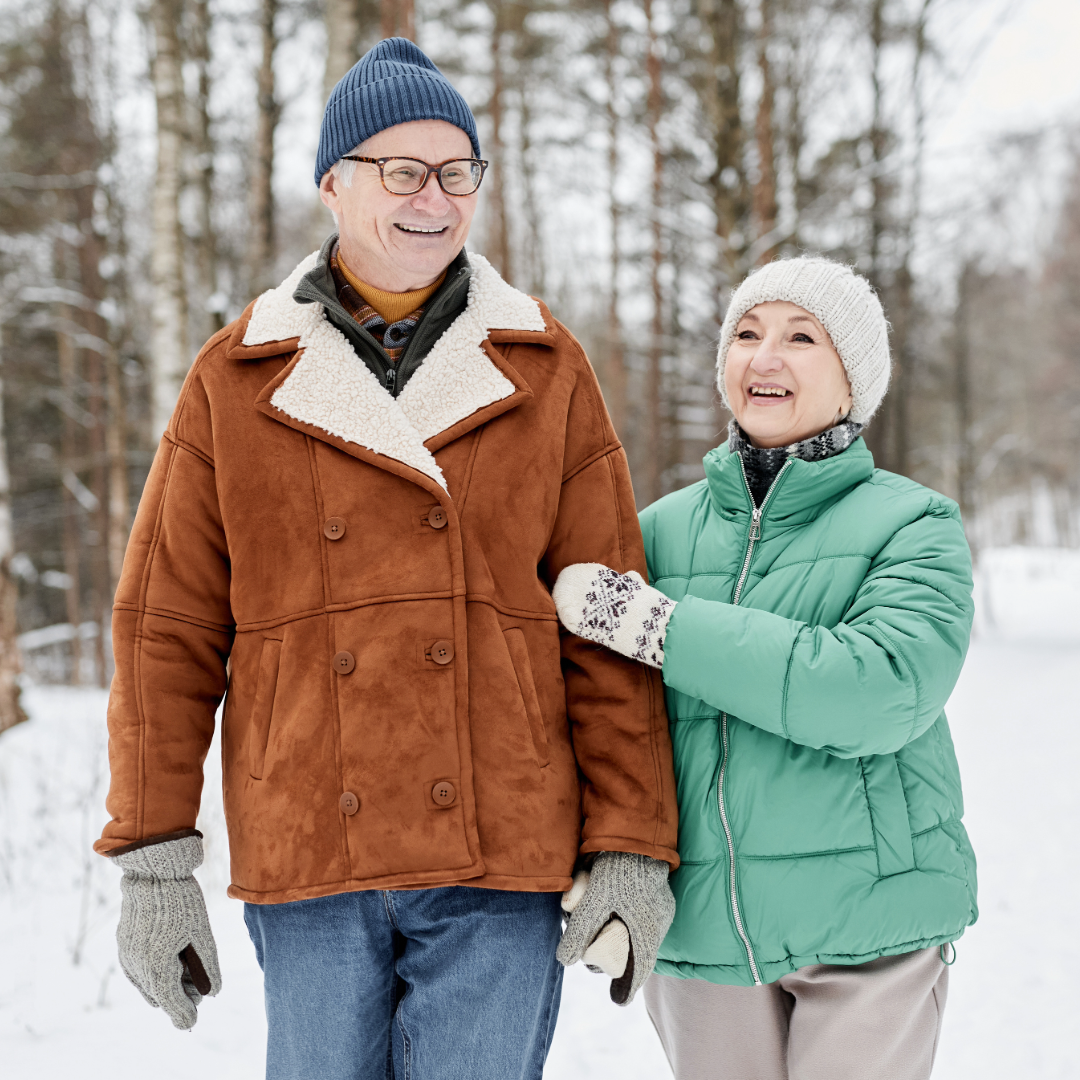
Older Adults: Stay Safe From Hypothermia and Frostbite
Old man winter can pack a powerful punch in Ohio, especially for older adults. As you get older, your body has more difficulty controlling its temperature. You’re also more likely to have certain medical conditions that make it hard to stay warm, such as diabetes, Parkinson’s disease or thyroid issues.
The cold truth is that older adults are more likely than younger people to suffer from hypothermia and frostbite. Awareness is key to protecting yourself from winter’s sting.
Hypothermia
Hypothermia is a dangerous condition that occurs when your body temperature drops below 95 degrees. It can lead to heart attacks, kidney problems, liver damage or death.
According to the National Institutes of Health, even a small drop in the surrounding temperature or a short time spent outside in the cold can cause a large drop in body temperature in older adults and infants.
Hypothermia can even happen indoors. The National Institute on Aging advises keeping your home heated to at least 68 degrees, maintaining proper insulation and blocking any drafts with blankets or pillows.
Hypothermia Symptoms and Treatment
Signs that you’re experiencing hypothermia include:
- Shivering
- Feeling sleepy, confused or angry
- Slurred speech
- Cold feet and hands
- Pale skin
- Stiff movement of arms and legs
- Slow heartbeat or breathing
If you suspect someone has hypothermia, call 911 immediately. If possible, move them to a warmer place, wrap them in blankets and encourage them to drink a warm, nonalcoholic beverage.
Frostbite
Frostbite occurs when your skin freezes because of exposure to cold temperatures, often below 32 degrees. It can cause permanent damage and even lead to amputation.
The severity of frostbite symptoms depends on factors such as air temperature, length of time spent in the cold, wind chill, dampness and how well your clothing has protected you from the weather.
For example, exposed skin can freeze in just a few minutes with a wind chill of minus 19 degrees, according to the National Weather Service and National Oceanic and Atmospheric Administration.
Frostbite Symptoms and Treatment
Frostbite can occur anywhere on your body, but your fingers, toes, ears, nose, cheeks and any exposed skin are more likely to be injured.
It starts with a feeling of pins and needles, followed by numbness, which can make it less likely you’ll notice the problem. Eventually the skin turns white and starts to appear waxy, hard and cold to the touch.
The National Institutes of Health recommends seeking medical attention if you suspect frostbite. Also, follow these guidelines:
DO:
- Get inside a warm room or vehicle
- Put your frostbitten skin in warm (not hot) water
- Use body heat to warm the frostbitten area (i.e., put your hands under your armpits)
- Cover the area with a clean cloth, wrapping affected toes and fingers individually
DO NOT:
- Rub the affected skin
- Walk on frostbitten feet or toes, if possible
- Touch hot surfaces with the frostbitten areas
Protect Yourself
If you are going outside in cold weather or driving anywhere, make sure to dress in layers and follow these precautions from the National Institute on Aging.
As with many health concerns, an ounce of prevention is worth a pound of cure. Here’s to a safe and happy winter.
Sources:
National Institute on Aging
National Institutes of Health
National Oceanic and Atmospheric Association
National Weather Service
The StayWell Company, LLC
Location Finder
Here's your guide to finding any of the facilities in the Aultman family of health services, including maps and contacts.
Need a Doctor?
Aultman's network of providers is committed to high-quality patient care.
Schedule an Appointment
Click below to complete an online form.
Donate Today
You can help support and enhance services, and in turn, help patients and their families who benefit from care received at Aultman.