

330-452-9911 (Aultman Main)
Patients & Visitors

- Patient Support
- My Experience
- Join Our Grateful Community
- Nondiscrimination & Language Services
- Patient Nutrition
- Patient Portal
- Patient Privacy
- Patient Medical Records
- Patient Rights and Responsibilities
- Patient Welcome Folder
- Tests & Procedures
- Contact Us
- Visitors
- Contact a Patient
- Aultman Anywhere App
- The Shoppes at Aultman
- Visitor Policies
- Parking and Maps
- Dining Options
- Things to Do
- Insurance and Billing
- Pay My Bill
- Accepted Insurance
- Financial Assistance
- Pricing
- FAQs
- Notice to Our Patients
- Notice to Our Patients of Privacy Incident
Services
- Medical Services
- Back & Spine Center
- Birth Center
- Cancer Center
- Critical Care
- Emergency
- Heart & Vascular
- Mental Health Services
- Neurosurgery
- Orthopedics and Sports Medicine
- Stroke
- Surgical Services
- Urology
- Support Services
- AultmanNow
- Aultman Specialty Pharmacy Services
- AultWorks
- Case Management
- Clinical Trials
- Diabetes Education
- Grief
- Home Medical Supply
- Home and Aultman Infusion Services at Woodlawn
- Home Health Care
- Hospice/Palliative Care
- Imaging
- Inpatient Rehab
- Integrated Health Collaborative
- Lab
- MEDS Clinic
- Pain Management
- Security
- Sleep Services
- Spiritual Care
- Therapy
- Urgent Care
- Victims of Violence - Forensic Nurse
- Wound Care
Health & Wellness
About
- Aultman
- About Aultman
- Careers
- Diversity, Equity, Inclusion and Belonging at Aultman
- Newsroom
- Our Policies
- Annual Report
- Community Health Needs Assessment
- Sharon Lane – An American Heroine
- Aultman Corporate Sponsorships & Volunteer Requests
Locations
- Locations
- AultCare
- Aultman Alliance
- Aultman Carrollton
- Aultman College
- Aultman Dover
- Aultman Hartville
- Aultman Hospital
- Aultman Louisville
- Aultman Massillon
- Aultman Medical Group
- Aultman North
- Aultman Orrville
- Aultman Orrville Doylestown Health Center
- Aultman Tusc
- Aultman Tuscarawas Regional Health
- The Aultman Foundation
- Aultman Woodlawn
Schedule an Appointment
*Please fill in all the required fields.
- Home >
- Blog >
- Caring For You >
-
Donating Blood Saves Lives
Menu
Recent Posts
- Donating Blood Saves Lives
- Could You Have Hypothyroidism?
- How Aging Well Is Tied to Your Weight
- Tea and Your Health
- So What if It’s Cold? Get Moving!
Archive Posts

Location Finder
Here's your guide to finding any of the facilities in the Aultman family of health services, including maps and contacts.

Need a Doctor?
Aultman's network of providers is committed to high-quality patient care.

Schedule an Appointment
Click below to complete an online form.

Donate Today
You can help support and enhance services, and in turn, help patients and their families who benefit from care received at Aultman.
Donating Blood Saves Lives
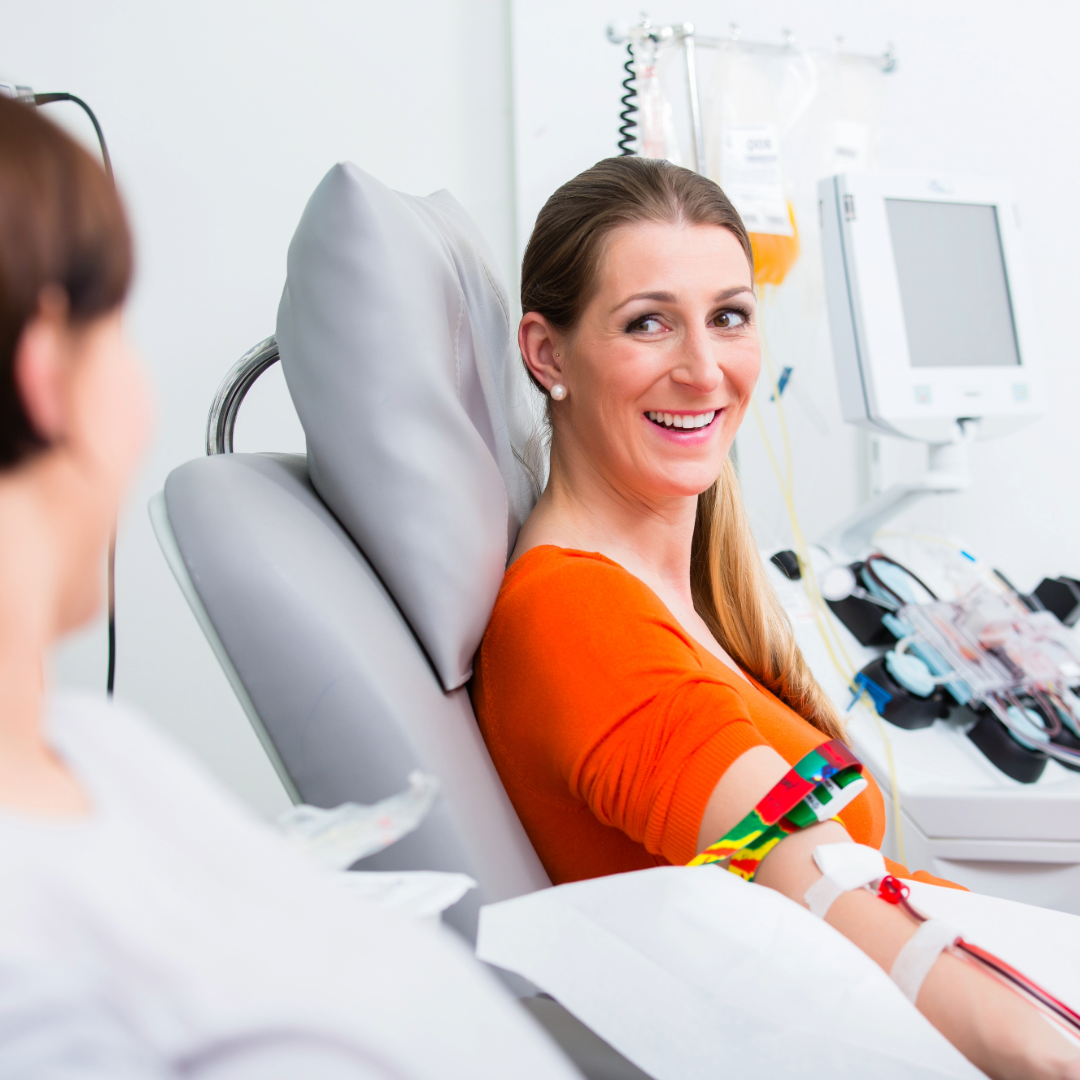
Hospitals and medical centers in the U.S. have a constant and critical need for blood donations to help surgery patients, accident and burn victims, people battling cancer and others, according to the American Red Cross. During flu season, blood donation levels decrease, hurting the supply of blood for patients. In recognition of National Blood Donor Month, Aultman Hospital Blood Bank Assistant Manager Laura Chumney explains how blood donations are used.
When you donate blood, it isn’t transfused directly into someone’s veins. First, it’s separated into different components, so each patient gets exactly what they need. Each blood product plays a different role in helping to save lives.
Red Blood Cells
Red blood cells are the body’s oxygen carriers. They deliver oxygen to every organ and tissue, which keeps the body alive and functioning.
Patients who lose a lot of blood in accidents or surgery, or those with anemia, often need red cell transfusions. For example, after a serious car accident, a patient may lose a lot of blood, which starves their organs of oxygen.
Transfusing red blood cells restores oxygen delivery so the brain and heart keep working. Just one unit of donated blood can boost a patient’s hemoglobin by about 1 g/dL – enough to turn a life-or-death situation around.
Platelets
Platelets are tiny fragments that help blood clot. Without them, even small injuries can cause dangerous bleeding. Cancer patients undergoing chemotherapy often have dangerously low platelet counts, making transfusions essential.
Without platelets, even a small nosebleed could become life-threatening. Platelets only last five to seven days after donation, which is why hospitals constantly need fresh supplies.
Plasma
The liquid portion of blood that carries proteins and clotting factors, plasma is especially important for patients with clotting disorders, liver disease and massive transfusions.
Patients with severe liver disease, for example, may not produce enough clotting factors. Plasma transfusions help restore clotting factors and help stabilize the recipient and prevent internal bleeding. Plasma can be frozen and stored for up to a year, making it one of the more readily available blood products.
Cryoprecipitate (Cryo)
Cryo is a concentrated source of clotting factors, especially fibrinogen. It’s used when regular plasma isn’t enough to stop the bleeding. Sometimes in childbirth emergencies, mothers experience massive bleeding because their fibrinogen levels drop too low.
Cryo provides a concentrated boost to help stop the bleeding. Cryo was developed in the 1960s and transformed treatment for hemophilia before synthetic factor concentrates existed.
Granulocytes
These are white blood cells that fight infection. They are rarely used but can provide temporary protection in special cases when patients lack immune defenses. One example is a granulocyte transfusion to temporarily help leukemia patients who have no functioning white cells to fight infection.
Granulocyte transfusions are rare and usually require special matching, making them one of the least common blood products used.
Why Donate?
Blood isn’t always available in unlimited supply. When donations run low, sometimes hospitals must triage, which means they must decide who gets blood first based on urgency and survival chances. The goal with triage is to save the most lives. Here are additional reasons to donate:
- One donation can help multiple patients – up to three lives!
- Only 3%-4% of eligible Americans donate blood each year. That’s why shortages happen more often than people realize.
- Blood can’t be manufactured. Despite advances in medicine, the only source is from donors.
- Type O-negative red blood cells are considered the “universal donor.” It can be given to almost anyone in emergencies, when there’s not enough time to check the patient’s blood type.
- There is a continuous demand for platelets since the average expiration is five days from collection.
Aultman hosts blood drives in various locations throughout the community – Aultman Alliance Community Hospital, Aultman Orrville Hospital and Aultman North Canton Medical Center. Visit American Red Cross Blood Services to schedule a donation near you. It’s one of the easiest ways to help.
Upcoming Aultman blood drives include:
- Aultman Alliance Community Hospital on Feb. 5 from 1 – 6 p.m.
- Aultman North Canton Medical Center on March 4 from 8 a.m. – 2 p.m.
- Aultman Alliance Community Hospital on March 5 from 8 a.m. – 1 p.m.
- Aultman Alliance Community Hospital on April 2 from 1 – 6 p.m.
- Aultman North Canton Medical Center on May 7 from 8 a.m. – 2 p.m.
Sources:
American Red Cross
American Society of Hematology
Canadian Blood Services
JAMA
Location Finder
Here's your guide to finding any of the facilities in the Aultman family of health services, including maps and contacts.
Need a Doctor?
Aultman's network of providers is committed to high-quality patient care.
Schedule an Appointment
Click below to complete an online form.
Donate Today
You can help support and enhance services, and in turn, help patients and their families who benefit from care received at Aultman.