

330-452-9911 (Aultman Main)
Patients & Visitors

- Patient Support
- My Experience
- Join Our Grateful Community
- Nondiscrimination & Language Services
- Patient Nutrition
- Patient Portal
- Patient Privacy
- Patient Medical Records
- Patient Rights and Responsibilities
- Patient Welcome Folder
- Tests & Procedures
- Contact Us
- Visitors
- Contact a Patient
- Aultman Anywhere App
- The Shoppes at Aultman
- Visitor Policies
- Parking and Maps
- Dining Options
- Things to Do
- Insurance and Billing
- Pay My Bill
- Accepted Insurance
- Financial Assistance
- Pricing
- FAQs
- Notice to Our Patients
- Notice to Our Patients of Privacy Incident
Services
- Medical Services
- Back & Spine Center
- Birth Center
- Cancer Center
- Critical Care
- Emergency
- Heart & Vascular
- Mental Health Services
- Neurosurgery
- Orthopedics and Sports Medicine
- Stroke
- Surgical Services
- Urology
- Support Services
- AultmanNow
- Aultman Specialty Pharmacy Services
- AultWorks
- Case Management
- Clinical Trials
- Diabetes Education
- Grief
- Home Medical Supply
- Home and Aultman Infusion Services at Woodlawn
- Home Health Care
- Hospice/Palliative Care
- Imaging
- Inpatient Rehab
- Integrated Health Collaborative
- Lab
- MEDS Clinic
- Pain Management
- Security
- Sleep Services
- Spiritual Care
- Therapy
- Urgent Care
- Victims of Violence - Forensic Nurse
- Wound Care
Health & Wellness
- Health Library
- Library
- Health Centers
- Nutrition
- Healthy Living
- Health Risk Assessments
- Printable Medication Record
- Symptom Checker
- Community Education
- Event Calendar
- AultCaring Conversations
- Community Education
About
- Aultman
- About Aultman
- Careers
- Diversity, Equity, Inclusion and Belonging at Aultman
- Newsroom
- Our Policies
- Annual Report
- Community Health Needs Assessment
- Sharon Lane – An American Heroine
- Aultman Corporate Sponsorships & Volunteer Requests
Locations
- Locations
- AultCare
- Aultman Alliance
- Aultman Carrollton
- Aultman College
- Aultman Dover
- Aultman Hartville
- Aultman Hospital
- Aultman Louisville
- Aultman Massillon
- Aultman Medical Group
- Aultman North
- Aultman Orrville
- Aultman Orrville Doylestown Health Center
- Aultman Tusc
- Aultman Tuscarawas Regional Health
- The Aultman Foundation
- Aultman Woodlawn
Schedule an Appointment
*Please fill in all the required fields.
- Home >
- Blog >
- Caring For You >
-
Could You Have Hypothyroidism?
Menu
Recent Posts
- Will That Food Truck Make You Sick?
- Recipe: High Fiber Happy Smoothie
- Take Back the Lunch Break
- Ten Small Changes to Find Your Calm
- Camping Activities Are Good for Your Mind and Body
Archive Posts

Location Finder
Here's your guide to finding any of the facilities in the Aultman family of health services, including maps and contacts.

Need a Doctor?
Aultman's network of providers is committed to high-quality patient care.

Schedule an Appointment
Click below to complete an online form.

Donate Today
You can help support and enhance services, and in turn, help patients and their families who benefit from care received at Aultman.
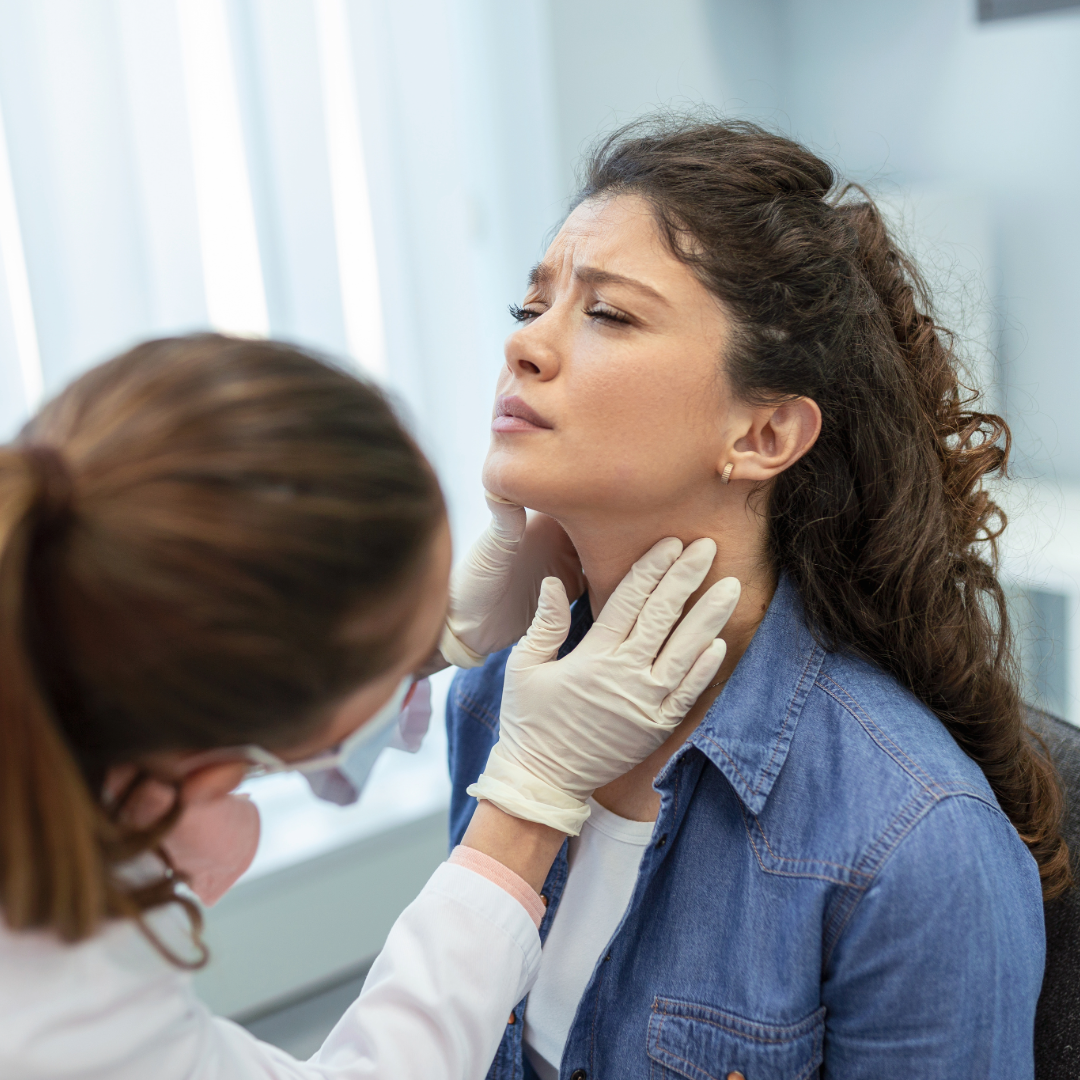
Could You Have Hypothyroidism?
With jam-packed days spent juggling multiple responsibilities, it’s not surprising that so many people feel tired all the time.
But if you’re experiencing extreme fatigue along with other persistent symptoms such as weight gain, constipation and difficulty handling the cold, it could be a sign of hypothyroidism, the most common thyroid problem in the U.S.
The Thyroid: Small but Mighty
Found at the front of your neck, the butterfly-shaped thyroid gland plays a big role in regulating your body’s metabolism. It secretes hormones that affect how your body makes heat, consumes oxygen and uses energy.
Nearly every tissue in your body is affected or regulated by thyroid hormone. It controls brain and nerve development and function and skin, hair, eye, heart and intestine function.
Hypothyroidism
Hypothyroidism means your thyroid gland isn’t active enough. When your thyroid doesn’t make enough hormones, your body slows down.
“Hypothyroidism is one of the most common thyroid issues we see,” said Kevin Wietecha, D.O., F.A.C.E. of Aultman Medical Group Endocrinology in Canton. “It’s most often caused by Hashimoto thyroiditis, an autoimmune disease that occurs when your body makes antibodies that attack your thyroid.”
The risk for getting Hashimoto thyroiditis is higher for women, people between the ages of 30 and 60, people with a family member who have had the disease and people who have other autoimmune diseases.
“The most common symptoms for hypothyroidism are fatigue, weight gain, dry skin, constipation and cold intolerance,” Dr. Wietecha said. “It’s important to talk with your healthcare provider if you have these symptoms and they persist.”
Treatment for Hypothyroidism
If your symptoms indicate a possible thyroid disorder, your provider will ask about your health history and give you a physical exam. You will also have blood tests. These can measure your thyroid hormone levels and check for certain antibodies that form against proteins in the thyroid.
Your provider may prescribe medications that are usually synthetic versions of thyroid hormones T3 and T4. These medications are prescribed when your thyroid cannot release healthy hormone levels on its own. Your provider will monitor you to make sure the medications are working well.
Enlarged Thyroid
Another common disorder is an enlarged thyroid. “We also see people with a goiter from an enlarged thyroid, which could be caused by an autoimmune disorder or nodules that grow in the thyroid,” Dr. Wietecha said.
A person with an enlarged thyroid often experiences neck fullness and difficulty swallowing or breathing.
“For people who have nodules causing an enlarged thyroid, we may do an ultrasound or biopsy,” Dr. Wietecha said. “This will help us determine whether the condition is benign or cancerous.”
Thyroid cancer is relatively uncommon. About 1.1% of men and women will be diagnosed with thyroid cancer in their lifetime, according to the National Cancer Institute. However, it’s important to see your provider if you suspect you have an enlarged thyroid so that the cause can be determined.
Looking for a Provider?
If you are looking for a primary care provider, Aultman Medical Group Primary Care has many providers ready to take care of you and your family. Many of our offices are accepting new patients – and more than likely, we have a location in your community.
Visit aultman.org/NewDoc to find a provider in your area who is accepting new patients, or call the new patient hotline at 330-433-1264 for assistance with scheduling your appointment.
Sources:
National Cancer Institute
The StayWell Company, LLC
Location Finder
Here's your guide to finding any of the facilities in the Aultman family of health services, including maps and contacts.
Need a Doctor?
Aultman's network of providers is committed to high-quality patient care.
Schedule an Appointment
Click below to complete an online form.
Donate Today
You can help support and enhance services, and in turn, help patients and their families who benefit from care received at Aultman.